Or: Albums Wot I Listened to Incessantly While Writing the Trilogy in the Belfry, 1996-2004. It’s by no means a complete list, as I’ve left out a ton of albums that didn’t get nearly as much play but may have shown up in heavy rotation for a shorter time. I also didn’t list the albums that popped up during the revision years, which would probably be another long list in itself.
I’ve put them in semi-chronological order of release. These are still some of my favorite albums; I would highly suggest checking many of them out, perhaps finding a copy or two for your collection if you don’t have them already. It’s a wide mix; there’s electronica, alternative metal, alternative rock, and even a classical album or two. A lot of these albums still pop up on rotation when I’m working.
To be honest, it does feel kind of odd to finally be listening to a different style of music for my latest project. [Meet the Lidwells! is full of power-pop goodness, so there’s a lot of Matthew Sweet and Fountains of Wayne involved, and a lot of listening to The Power Pop Show on KSCU.] But I highly doubt I’ll stop listening to Fantastic Planet or Sea Change any time soon…
In the last few years of my run at HMV, I was given the go-ahead to do special orders for customers, as well as order the occasional import. This came in handy when NSYNC released the single “Bye Bye Bye” some time before the No Strings Attached album; I knew it would be a huge seller despite the price, so I had them order a good hundred or so copies. They all sold out within a few days.
Around that time, I’d been reading all the reviews in the British music magazines and catching up on bands that may or may not break here. One of my favorite finds was a five-piece called Ultrasound, whose sound was a fantastic cross between crunchy guitar-led Britpop (very similar to Kaiser Chiefs, predating them by at least a few years) and seventies psychedelia, with a bit of Pink Floydish prog in there as well. They released a handful of singles and one album, Everything Picture, before breaking up. [They would, however, reconvene twelve years later for a second album, Play for Today, and have just released a new mini-album at the end of 2016.]
It’s a sprawling album, twelve long tracks stretching an hour and a half over two cds (most of the tracks are around six or seven minutes long, with the last track featuring a truly epic freakout that lasts a little over 21 minutes plus a two-minute hidden track!). Due to its length and wide scope, many critics found it bloated and meandering, but despite that, it reached to number 23 on the UK Albums chart, and it’s remained a fan favorite. I for one loved that it was a long album; a sort of The Beatles only with fewer and much longer songs. I dubbed it onto cassette and listened to it constantly whenever I drove around New England.
The single “Stay Young” is one of my favorites from this album. It’s a wonderful rock anthem from the loud-soft-loud school, a twenty-first century rewrite of “My Generation” in a way.
The track “Aire & Calder” is another favorite. I love its driving beat and folksy melody that evokes the feeling of riding a caravan through the British wetlands. [Aire and Calder are two rivers that meet up near Goole and Castleford just outside Leeds; both towns are name-dropped within the song as well.]
The album still holds up well nearly eighteen years later. I can see where the critics were frustrated, as it slides all over the place, changing moods and sounds constantly (again, much like the White Album), but taken as a whole, it remains a strong record from start to finish.
I remember when U2’s breakthrough album The Joshua Tree came out, because it wasn’t just the usual music nerds like me that were eagerly awaiting for it; most of the guys I knew on my high school football team couldn’t wait to get their hands on it! That was certainly a change. Usually the jocks’ tastes in music and my tastes never crossed paths at all.
It could be that the teaser single, “With or Without You”, was such a huge hit that resonated with pretty much everyone. I think there was also the fact that their previous releases — the atmospheric The Unforgettable Fire from 1984, the excellent but far too short live album Under a Blood Red Sky from late 1983 and the amazing War from earlier that same year — were big favorites on MTV and rock radio. And that classic performance at Live Aid in the summer of 1985 had given them a big ol’ boost as well.
I remember not being overly excited about the release at first. Sure, I loved U2, but I wasn’t a hardcore dedicated fan yet. In fact, I was more focused on the new Siouxsie & the Banshees cover album (Through the Looking Glass) that was released around the same time. But I went ahead and bought it anyway, ordering the cassette from the BMG Music Club, and deemed it worthy of repeated listens.
It wasn’t until that summer, around the release of the third single “Where the Streets Have No Name” that the album really clicked with me. I’d started hearing more deep cuts from the album being played on WAAF, WAQY and other New England radio stations as well. The drifting beauty of “One Tree Hill”, the barely restrained anger of “Bullet the Blue Sky”, the pastoral melancholy of “Red Hill Mining Town” (the last of which reminded me of the dead-end feeling I was having about my home town at the time).
The album kicked off such a storm of excitement that their tour ended up being THE EVENT TO SEE. Sadly, I would never get to see them live until nearly ten years later for the PopMart Tour, but my sisters did get to see them down in Worcester for this tour, much to my extreme jealousy. Numerous parts of the tour stops were filmed for what would end up being the documentary Rattle and Hum, released in 1988 complete with soundtrack and new songs recorded on the road. And a little over ten years later, they’d resurrect and re-record one of the b-sides for “Streets” and release it as a single for one of their greatest hits mixes:
I’d revisit the album numerous times over the years: a constant soundtrack during my post-college writing years and even more during the Belfry years; talking with my then-girlfriend about how the album was sequenced into a specific flow of sound and mood; a constant replay when the band released their (almost) entire discography on iTunes; while working on my Walk in Silence project. I’ve never grown tired of it.
*
Thirty years on, this album is still considered a classic. U2 themselves are celebrating its anniversary with a tour of North America and Europe, playing the album in its entirety. I doubt I’ll be going when they stop by Santa Clara in late May, but I’m sure it’ll be a fantastic show. [For a brief moment I thought hey, maybe they’ll come to Outside Lands!…and then I realized they’ll be wrapping up their European leg about the same time so I doubt they’ll be in the mood for trekking all the way back to California by that time. Wishful thinking, though!]
And finally, here we are at the last quarter of the year!
Phish, Big Boat, released 7 October. The band is positively perky on this album, full of bounciness and silliness that I haven’t heard since Billy Breathes twenty years ago. It’s also more cohesive and catchier than Fuego, their previous outing. And there’s some amazing harmony going on with this track right here.
Green Day, Revolution Radio, released 7 October. Another excellent album from the boys from the East Bay. While it may not be as radio friendly as American Idiot, it’s just as angry and in your face.
BT, _, released 14 October. BT is a fascinating musician in that you’re never quite sure what his next sound is going to be like. He’s a great remixer and his electronica stretches from glitchy to sublime. And then there’s this album, which is essentially an electronic classical album of sorts. It’s stunning and lovely and rates right up there with the work of my favorite new composer, Mason Bates. And of course this got a ton of play during writing sessions.
Bowling for Soup, Drunk Dynasty, released 14 October. BfS is up to their goofy, punky best as always with this Kickstarter-funded album (you should check out the KS page just to watch the video where they forget they’re trying to sell the album and talk about–you guessed it–drinking beer). It’s a strong and solid album all the way through, and a hell of a lot of fun.
Jagwar Ma, Every Now and Then, released 14 October. This album, interestingly enough, reminded me of Primal Scream’s Screamadelica, in that it’s a flawless mixture of melodic indie rock and blissed out dance grooves. And “O B 1” is definitely my Track of the Year, with its ticking ambient/chunky riff mix and infectious beat. The album itself is up there in my top ten as well.
American Football, American Football, released 21 October. WOO! New American Football! Given that their previous album was 17 years ago, that’s a long wait, but it was quite worth it. These guys were part of the original laid-back, wistful, math rock sound that included Low and early Modest Mouse back in the late 90s, so it’s great to have them back.
Jimmy Eat World, Integrity Blues, released 21 October. Glad to see these guys are still going strong after all these years, and still writing songs that stick in my head for hours. A solid album all the way through.
The Radio Dept, Running Out of Love, released 21 October. Yet another Wait–they have a new album out?? release for 2016, and it’s excellent. Dark and weird and groovy and twitchy all over the place — which is what makes me like them so much. Really dug the production on this one a lot.
Sleigh Bells, Jessica Rabbit, released 11 November. I really love their Wall of Crunchy Guitar sound (it’s great for headphones when you’re on a plane or at the gym), and I love the way they slip around their melodies, making them playful and in your face at the same time.
A Tribe Called Quest, We got it from here…thank you 4 your service, released 11 November. YES! Another ATCQ album finally arrives, and it’s a stunner. It might be their last one they release, but it’s a hell of tight one.
Metallica, Hardwired…to Self-Destruct, released 18 November. Ending on a surprising note, considering I’m not much of a metalhead at all, but this is one hell of a great album, the best they’ve done in the past few years. They still have a few songs here and there reminiscent of the more radio friendly Load/ReLoad era, but they’ve returned (finally) to some the best axe-wielding they’ve put on record in quite a while.
*
Coming up next week: The End of Year Lists! Favorite songs, and my year-end mixtape!
Blink-182, California, released 1 July. I’ll admit, I’m still a Blink fan partially because Travis is such an insanely great fast-speed drummer. This new album feels like a return to their happier, punkier days of the late 90s-early 00s, and it’s a lot of fun to listen to.
The Avalanches, Wildflower, released 8 July. When was that last album of theirs? 2000? 2001? Far too long. They’ve lightened up on the sampling (a bit) for obvious financial reasons, and their songs aren’t nearly as weird and goofy as the ones on Since I Left You, but on the other hand, they’ve excelled at creating groovy vibes and insanely catchy tracks like the above.
Lou Rhodes, theyesandeye, released 29 July. Lamb’s lead singer released a lovely solo album featuring some of her best work outside that band. Her style of singing works well in a non-electronic atmosphere here, and she also does a hell of a great job covering The XX as well.
Dog Party, ‘Til You’re Mine, released 5 August. One of my favorite local bands releases their fifth album — the first after drummer Lucy’s high school graduation (!!) and as always, it’s all kinds of fun to listen to. Short econo punk that would make the Ramones and Fuzzbox proud.
De La Soul, …and the Anonymous Nobody, released 25 August. So happy to see these guys back at it…one of the best hip-hop groups around. I’m also impressed by the DIY nature of this album as well: the samples used were recorded using live musicians (their jamming would be recorded and various bits used for the samples), and the entire project was funded via Kickstarter. Even a lot of the non-music packaging and post-production was done either by them or by friends and acquaintances.
Banks & Steelz, Anything But Words, released 26 August. Who knew that the dark, driving alt-rock of Interpol would fit so perfectly with the blistering delivery of RZA? And that these guys met up frequently to play chess? This match-up delivers one hell of a strong punch from both sides and it’s one of my favorites of the year.
The Wedding Present, Going, Going… released 2 September. The Weddoes are back! Another Kickstarter-funded album that was well worth the wait. Full of their trademark dreamy and crunchy riffs on top of lovely melodies.
Wilco, Schmilco, released 9 September. Wilco has always been just this side of weird, and their new album proves once again that they can pull it off and still be fun and enjoyable to listen to. Definitely a band off in their own universe, but they’ve become quite comfortable and agile within it.
Bastille, Wild World, released 9 September. I wasn’t quite sure how they were going to top their fantastic debut album from a few years ago, but they’ve pulled it off by being bigger, stronger, and more experimental with their sounds. They’ve also injected a bit of humor into the mix this time out, which makes a lot of the songs that much more fun to listen to.
Preoccupations, Preoccupations, released 16 September. The band formerly known as Viet Cong returns with a new album that sounds straight out of 1985-era goth that you’d expect to hear on Homestead Records, and it’s a fascinating listen. [Also, the above video perfectly fits with early era 120 Minutes, doesn’t it?]
Against Me!, Shape Shift with Me, released 16 September. One of their most melodic releases that I can think of, and some of their best work as well. The songs feel freer and livelier. Another frequent player during the Day Job as well as writing sessions.
Beach Slang, A Loud Bash of Teenage Feelings, released 23 September. Another album that sold me on first listen, even before the album was done. Equal parts Replacements and Dinosaur Jr, there’s a hell of a lot of great pop-punk going on here. Definitely in my top ten of the year.
*
Next up, the final quarter of 2016….and of course, I’ll follow up with the lineup for the end-of-year compilation mix and my Top Albums and Songs of the year!
As you can tell, I haven’t quite been sticking to my schedule nearly as well as I’d hoped. I’d blame it on the procrastination or the Day Job or the election or whatever, but it really has been a bunch of things. I started writing this one up last night after doing much of our Christmas wrapping, but had to stop short so I could get working on my editing. I’m hoping in the new year I’ll be a little more on the ball, yeah?
Well hey, here we go with Part 2 of my favorite albums of 2016, and Q2 was filled with a hell of a lot of great albums that I’m still playing heavily months later. Enjoy!
Cheap Trick, Bang, Zoom, Crazy…Hello, released 1 April. Thought I’d start off this one with an unexpected surprise — I’ve been a longtime Cheap Trick fan [I’m talking “Surrender” era here, so that means I AM OLD] so I was quite pleased to hear that they had a new album out this year. This isn’t the poppy CT from the late 80s, mind you. This is the crunchier, rockier CT from the late 70s – early 80s. One of my favorites of the year.
M83, Junk, released 8 April. Where 2011’s Hurry Up, We’re Dreaming was the sound of 70s LA glitz and 80s cinematic vistas, Junk seems to take the idea of the one goofy track from that album (you know, that one about turning into frogs) and expands on it. The end result sounds like a mix between 80s kids shows on PBS and theme songs to Love Boat episodes. And yet somehow it works without being cloying or embarrassing. Even if the album cover does look like a Happy Meal box.
Lush, Blind Spot EP, released 15 April. One of the best shoegazey bands of the 90s returns after twenty years for a tour and a new EP, and it was well worth the wait. It’s just as lovely and shimmery as their previous records. Yet another constant play during my writing sessions.
Wire, Nocturnal Koreans, released 22 April. Essentially a mini-album of leftovers from the sessions for their previous album (2015’s self-titled), but nonetheless there’s not a wasted track here. They’ve settled quite nicely into their current iteration as an indie-rock band with a sparse yet powerful sound.
RWBY Vol 3 soundtrack, released 3 May. I found this online animation series quite by accident back in 2014 (I think I saw the Vol 1 soundtrack on eMusic as an endcap suggestion), and I quite enjoy it. The soundtracks are great as well, very Paramore-ish and a lot of fun to listen to during my writing sessions.
Radiohead, A Moon Shaped Pool, released 8 May. “Doot doot OH HEY we have a new album out. Here you go.” And the fans trip all over themselves downloading and liveblogging it! Heh. Seriously, though, it’s a great album. Haunting, gorgeous, tense, and dreamy. Another writing session soundtrack!
Nothing, Tired of Tomorrow, released 13 May. I do likes me some crunchy alternative metal, especially if it’s as melodic as Nothing is. I’d never heard of this band before hearing this album streamed on NPR.com, and within two songs I definitely had that HOLY CRAP I NEED THIS response. And once this was out, I quickly downloaded it along with the rest of their available albums and singles, because I loved it that much. One of my top ten albums of the year.
Mark Pritchard, Under the Sun, released 13 May. On the other end of the spectrum we have some lovely quiet ambient electronic from one of its best producers (and one half of Global Communication, whose 76:13 I still listen to on a regular basis while writing). The album feels haunted at times — kind of hinting at being alone on a desolate world, come to think of it — but it also has its moments of light humor (“Hi-Red” sounds a bit like Mark playing with the settings on his keyboard more than anything else) to balance it out.
Beth Orton, Kidsticks, released 27 May. Beth is one of those ‘off in her own universe’ songwriters, but without the weirdness that sometimes derails Tori and Bjork. Her music has also retained that not-quite-electronic sound that she captured so well back on 1996’s Trailer Park, letting it sound both natural and ambient at the same time.
Garbage, Strange Little Birds, released 10 June. Probably my favorite album of theirs after their self-titled debut back in 1995. There’s some great guitar crunch going on here, and Shirley Manson can still belt it out effortlessly. One of my top ten favorites of the year.
The Shelters, The Shelters, released 10 June. As my sister said to me, ‘Dig that Rickenbacker sound!’ These guys picked up where Jet left off some time ago with the Swinging London-influenced sound, and I couldn’t be happier. That this was released on Capitol makes absolute sense; they would have fit in quite nicely next to the Beatles as a great 60s guitar combo.
The Temper Trap, Thick As Thieves, released 10 June. This band has grown to be one of those ‘I haven’t heard it yet but I’ll definitely download it’ bands of mine, and their newest has not let me down. The title track is in my top ten favorite songs of the year as well.
DJ Shadow, The Mountain Will Fall, released 24 June. The always amazing DJ Shadow brings forth an album that features less samples and a lot more hard sounds, giving his already experimental vibe a grittier edge. I’ve been putting this one on during my writing sessions when I need an angrier vibe. [The above track is NSFW lyrically, but they sure do fit the video, given the present political atmosphere.]
*
Coming soon, Part 3, in which we check out some excellent late summer tunage!
Oh hey! It’s that time of year again. Time for me to wax poetic about my favorite tunage that came out in the last twelve months. Time to yap about the purchases I’d made, the stuff I listened to in various parts of my universe. Time to talk about things personal, creative, and so on. I figure I’d split it up this time out, over the course of a few weeks, and give you the usual year-end Best-of Lists at the end of it.
It’s been quite a year of change, folks. Some awesome, some good, some not so good, some mindbogglingly craptastic. It’s been…interesting, to say the least. But musically, there were a lot of really strong albums that came out that I’m sure will stay in my rotation for some time to come. Here’s a quick overview of stuff that came out in the first quarter!
David Bowie, ★. Released 8 January. I’ll be honest, I’ve been a slow-burn Bowie fan. It took me a long time to appreciate his music, and I’m quite sure it’s due to the Commercial Radio Disease. You know the one — stations play the same five core songs to the point of torture so the passive listener doesn’t really want to invest in checking out the deeper cuts. It took me until 1997’s Earthling to actually pay attention to his music more. January’s Blackstar was a wonderful final release from him. He knew instinctively that this was his last album, and he wasn’t about to go away without a curtain call. It’s disturbing, fascinating, brilliant, and touching all at the same time.
Shearwater, Jet Plane and Oxbow. Released 22 January. Shearwater is a band you don’t hear on the radio; they’re a band you hear about via word of mouth and the music blogs and magazines. I first heard of them via listening to a streaming of 2012’s Animal Joy. They’ve got a unique indie rock sound that’s hard to pin down, their singer doesn’t really sound like anyone else, and their music is a bit hard to describe. But that doesn’t matter, because they’re just that good. Jet Plane and Oxbow got a hell of a lot of play for me this year, both as background music during my Day Job and during my evening writing sessions.
Massive Attack, Ritual Spirit EP. Released 29 January. I’ve loved everything Massive Attack has done since I first heard “Teardrop” in 1998, and this quick release was worth waiting for. Tricky is back in the fold once more on a devastatingly dark track — the kind they do exceptionally well. Another release that got heavy play during my writing sessions.
The 1975, I like it when you sleep, for you are so beautiful yet so unaware of it. Released 26 February. The kind-of-creepy album title aside, I was completely floored by their follow-up to their poppy debut. The album originally reminded me of Primal Scream in their Rocks period — heavy on the Stonesy rock and British flavor — but it really grew on me. “Somebody Else” was consistently one of those songs I’d hear on the radio and think ooh, I like this….who is it? …and be pleasantly surprised when I remembered, and that I already owned it.
Yuck, Stranger Things. Released 26 February. When this band released their debut album in 2011, they had a different singer and sounded like an even messier Dinosaur Jr. Now they’ve turned their fuzz down some and sound a hell of a lot like Superdrag at their indiepoppiest, and I have no qualms about that at all. This is a lovely album worth checking out.
School of Seven Bells, SVIIB. Released 26 February. It’s touching that when guitarist/keyboardist Ben Curtis passed away in 2013, the rest of the band felt it necessary to finish off the album they’d been working on, and it’s a beautiful piece of work full of positive energy. Yet another album on writing session heavy rotation.
Paper Lights, Great Escapes. Released 15 March. I’ve been big on DIY this year, for obvious reasons. I first heard of Paper Lights via NoiseTrade in 2013, where the band had uploaded one of its EPs. I’d ended up on their mailing list, and was pleased to find out they had a new album out this year. It’s a wonderful album of relaxing dreampop.
Hooverphonic, In Wonderland. Released 18 March. I will always buy a Hooverphonic album, regardless. They’ve always been one of my favorite bands ever since I first heard “2Wicky” in the back room at HMV all those years ago. They’ve gone through numerous lead singers since then (the new album features multiple vocalists this time out), but they’ve always written great pop tunes that balance perfectly between alternative rock and synthetic pop.
Bwana, Capsule’s Pride EP. Released 25 March. I don’t think I’ve ever chosen an super-underground release as one of my favorite albums of the year, but this is definitely on that list. [One needs to get a Tor browser and go to a specific website in order to download it, as it’s not available for sale or downloadable anywhere else. That’s how underground it is.] A brilliant mashup of jittery techno and soundbites from the movie and soundtrack of the classic anime movie AKIRA, it not only got me through numerous writing sessions, but also through multiple plane rides!
I was a huge fan of Zebra when I was in junior high. I remember hearing “Who’s Behind the Door?” on WAAF — and seeing the video on MTV — and being totally blown away by the music. I loved the sound of synthesizers back then, especially if they used the strings setting. [I’d later get into Giuffria a year or so later for the same reason.] I even got to see them live, when they opened up for Loverboy at the Worcester Centrum — my very first big arena concert.
I bought the cassette of the self-titled debut album right about the same time, and I nearly wore it out within a year.
Decades later, and I’m listening to it on mp3, and it suddenly dawns on me — this album sounds almost exactly like a Porcupine Tree album.
Think about it: both lead singers are guitar virtuosos who write beautiful and complex melodies. Sure, one sings in falsetto half the time, but never mind. Plus the keyboards play a strong and vital part in the music, giving it a darker ambience. There are a few shorter pop songs here and there, but there are also some lengthy prog-jam pieces in there as well. It’s no wonder that I became such a huge PT fan in the late 90s.
I still pull out this album every now and again and give it a listen. I’ll listen to album two, No Tellin’ Lies, every now and again as well, but this first album will always be a particular favorite of mine.
I’d say the music that I connected to most at the time was classic rock. I’d grown up listening to it, and started my music collection with the Beatles. Not to say I didn’t enjoy other genres or station programming…I had a passing interest in the poppier Top 40 sounds, especially from about 1983 onwards, when it updated its sound and included multiple genres. But thanks mainly to WAQY 102.1 FM out of East Longmeadow and WAAF 107.3, originally out of Worcester, I found myself listening to a lot of classic and AOR rock.
Looking back, I think part of it may be due to the quality of the production and the creativity of the music. It didn’t necessarily need to be a genius creation, it just had to have something that caught my attention somehow.
That would mean John Bonham’s thunderous drums and John Paul Jones’ synth strings on the epic “Kashmir” — the first rock song to completely blow my mind — or the Beatlesque* sounds of Electric Light Orchestra’s “Can’t Get It Out of My Head”. Or it could be the countrified twang of Eagles. Even the bubblegum fun of Sweet’s “Ballroom Blitz” and “Fox On the Run” counted, thanks to their catchy guitar riffs and high-pitched harmonies.
I often say The Beatles’ 1967-1970 compilation is ‘officially’ the first album I ever owned, but that’s not entirely true. I will admit that claim actually belongs to Shaun Cassidy’s Born Late, which I’d gotten for Christmas in 1977. I kind of consider that a trial run, though…in December of 1977 my music collection was pretty much a reflection of what I thought album collecting was about at the time: pop music and buying whatever was popular at the time. Why did I have my mom buy that Shaun Cassidy album? Who knows. I think it was because he was one of the Hardy Boys on TV at the time, and he was all over the covers of teen magazines at the time. David’s little brother, also a musician and an actor and a heartthrob! Buy it now! Hell, I was six years old at the time, I didn’t know any better. I didn’t even know I was breaking a perceived gender role at the time by liking a young pop star’s music. My parents may have side-eyed me (more on the quality of the music than the gender role, that is), but I didn’t care. Even then it was about the music.
All that changed in 1978, when two things happened.
First, the much maligned movie Sgt Pepper’s Lonely Hearts Club Band, featuring the insanely popular Bee Gees (another favorite band, thanks again to an older sister) and Peter Frampton (a huge pull, thanks to the fantastic Frampton Comes Alive album and his mindblowing use of the talkbox guitar effects on “Do You Feel Like We Do”). I originally went because I liked the singers, but my mom had hinted that I’d enjoy the songs they’d be singing here. It’s painful to watch now, but at the time it was silly and a lot of fun.
Second, I was made aware of an annual tradition on WLVI, channel 56 (6 on our dial), one of Metro Boston’s independent television stations (decades before it became an affiliate of The CW). On a summery Sunday afternoon they’d play Yellow Submarine, the 1968 animated Beatles movie.
I knew the Beatles in passing, of course. In the 70s, who didn’t? They’d only broken up a few short years before and were enjoying healthy solo careers at that point (especially Paul McCartney). Their music was still getting heavy rotation on the radio at the time.
[I should probably interrupt here and state that there was a third event that took place in 1978 that changed everything, even though I wasn’t quite aware of it at the time. That event is the overwhelming change in radio listening habits in the United States. It was this year when people began listening to music on the FM dial rather than on AM. There are many and varied reasons for it — the acceptance of rock radio as a valid genre rather than an underground interest, and even the fact that home stereos were becoming more affordable. By the time 1978 rolled around, we’d had a stereo in my parents’ bedroom that as soon moved to my sisters’ bedroom, where it got much higher use. I ended up with a cheap hand-me-down kids’ record player where even to this day, I can still remember the loud nasally wrhirrrrrrrr of the motor. I’d get the old stereo when my sisters upgraded, and finally getting my own sometime around 1983.]
So yes, it was in 1978 when I finally, officially, owned my first record, and also picked up on my first musical obsession. Over the next four or five years, I searched and found all the Beatles-related records I could find. Some of the albums I purchased were new (usually bought at Mars Bargainland, the department store outside of town), but many were found used at garage sales, town fairs and elsewhere. First came the albums, then came the singles. I believe I got Sgt Pepper and Abbey Road early on, because I was already familiar with most of those songs from the Sgt Pepper movie. Revolver was another early one, thanks to familiarity with some of its tracks as well. Imagine an eight-year-old hearing “Tomorrow Never Knows” for the first time — I had no idea what I was listening to, but it certainly was amazing!
*
I’m explaining all this, even though it has nothing to do with college radio, because this early obsession is a major reason why I latched onto it as closely as I did.
Even as the pop music of the seventies and eighties slowly morphed from one genre or style to another, I found myself irrevocably obsessed over it all. I knew bands and their discographies almost as well as other kids my age might know who played on what NFL team and for how long. Their stats were performance ratings and signature moves; my stats were release dates and what labels released them.
* – Beatlesque: usually means evoking psychedelic melodies of 1967, dreamlike whimsy, three-part harmony, and often attempting to sound like something from either Sgt Pepper’s Lonely Hearts Club Band or Abbey Road.
I’ve been listening to college radio and alternative rock for thirty years as of this week.
Currently, I’m kind of cheating and switching between the XMU station on SiriusXM, RadioBDC, and a host of college stations via their streaming feed, but the point remains — the singer here (Paul Westerberg at his alcoholic best/worst on Let It Be) is barely making it through the song without stumbling. You can hear the liquor in his voice. It’s a classic song of generational discontent, as Wikipedia points out. I heard the same thing back then, in my bedroom, late at night, and I felt the same thing: who the hell let him close to the mike?
But truly, that was exactly what endeared me to the alternative rock genre, and still does to this day. The fact that studio time was given to a musician of middling proficiency and questionable talent amused me then, and impresses me now. Well — at this point, anyone with a laptop, a few microphones and some cheap recording and mixing software can lay down their own music. And thanks to the internet, they no longer need to jockey for position at the local radio station or bar; they can upload their latest song on Bandcamp hours after making the final mix, and let their small tribe of listeners know it’s out there.
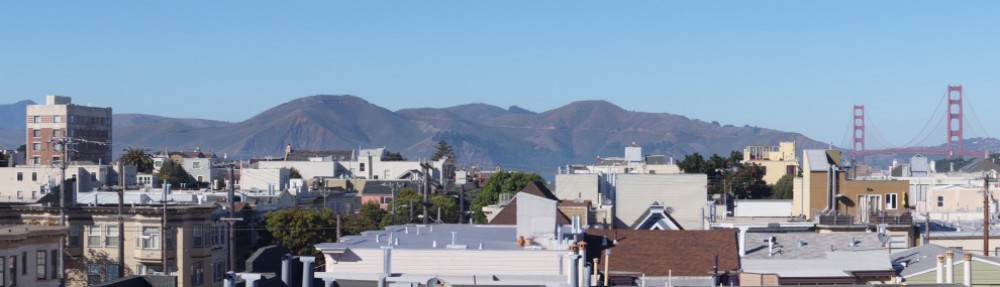
There’s a lot of excellent indie rock out there if one chooses to actively look for it. Some listeners like myself spend far too much time and money on it, but we love it just the same. Again with the internet: many college stations stream their shows on their website, so someone like myself, now living in San Francisco, just over a mile from the Pacific Ocean and a view of the Golden Gate Bridge just outside my window, can listen to the broadcast of Boston College’s WZBC.
The only thing missing, in my mind, is having a blank cassette at the ready, in case one of my favorite songs comes on.
That’s one of the original facets of alternative/indie rock, really…the ability to look in the face of popular culture and loudly and proudly profess that you’re not going to play that game, at least not by those rules anyway. One of the whole points of the genre, harking back to the original UK punk wave of the late 70s (and much further back, depending on which rock genre you’re thinking about), was to make sounds under one’s own rules.
It was about a certain style of anarchy –a personal anarchy, wherein one fully embraces who they are and what they want to be, where one stops trying to fit in where they obviously don’t belong, where they find their own path without outside influence. Be what you want to be, and fuck ’em if they can’t deal with it.
*
Every music fan has that story: where did you first hear that new song, that favorite band, discover that new genre? Every fan has a story where they heard a song or found a new radio station or a new genre for the first time where it just clicks: YES! This is the thing that has pierced my soul, has connected with me in such a deeply personal way that I will never hear it the same way again!
Okay, maybe not in so many words: often it starts out with a distraction. Yeah, I kind of dig this track. It makes you stop and notice it. You may not know exactly why just yet, but you’re not going to dwell on that right now. But its primary job has been fulfilled: it’s gotten your attention. You may be intrigued for the moment but forget it a half hour later, or it may stay with you for much longer, so much that you’ll end up looking for it the next time you’re at the local music shop.
Or, if you were like me in the middle of the 80s, you’d have a small ever-circulating pile of half-used blank tapes near your tape deck, and if you liked the song that much, you’d slam down the play and record buttons and let ‘er rip.
This is the story of how I got from there to here.
*
Let me start with this: I was part of the inaugural MTV generation. I was ten going on eleven. I remember when I first saw the channel when it was offered on our newly-minted Time Warner Cable system, the first cable service in my hometown. I remember the beige-colored box with the light brown label on top, listening all the channels we’d be getting. I remember seeing MTV for the first time. [For the record: my first MTV video was .38 Special’s “Hold On Loosely”.] And most of all, I remember it was channel 24. Even before we got cable, I’d already made plans to park my butt in front of the television and soak in the musical goodness. Any music I heard from about 1982 onwards was considered Something Awesome in my book, especially if it had a video. But even if it didn’t, that one network opened up something within me that turned music from a passing interest into an obsession.
Around the same time, I had pilfered the radio that had been gathering dust in the kitchen (an old model I believe must have been purchased at one of the local department stores a few decades earlier), and it was now at my desk. I’d made little marks on the dial where my favorite stations were. I’d fallen in love with rock radio.
Was it different from the sort-of-occasional listenings of records from our family collection, or the albums we’d take out from the library, or whatever was playing on the car stereo during family roadtrips? In a way, yes. Even then I’d gotten into the habit of listening to certain radio stations, but not to such an obsessive extent. I’d gone from ‘now and again’ to ‘every single morning’ to ‘pretty much all day long’. Other boys my ages were probably watching sports or playing outside or whatever it was we supposed to do, but I was perfectly happy sitting right next to the radio and enjoying each new song that came on.
The obsession with countdowns started around this time. That was the fault of one of my older sisters who’d taped various songs off the radio at the turn of the decade, and had recorded part of the year-end countdown on the rock station we all enjoyed, WAQY 102.1 out of East Longmeadow. A year or so later the torch was passed to me (well, more like I snagged it as she headed off to college). WAQY had a contest in which, if you sent in the correct countdown list, they’d pick a random winner and give away every album that was on it. Who was I to turn that down? With an insane amount of focus and intent for a preteen, I wrote each artist, song on lined paper and duly mailed it in. Never won, of coure, but that didn’t stop me from listening with rapt attention.
Thinking back, that’s probably what fueled my music obsession the most — between the countdowns and MTV, as well as radio in particular, I was glued to my desk or the living room couch, wondering what song or video would come next.
That went on for most of that decade, really. From about 1981 or so onwards, I would always have a radio on, or I’d watch a good hour or so of MTV, just soaking everything in. I really wasn’t too choosy about what songs came up, as long as they caught my interest. That was partly due to listening to whatever my sisters were listening to in the 70s. I could take Chicago’s easy-listening comeback albums the grandiose prog rock of Rush, and the guitar jangle of early REM. A lot of the rock stations back then were more adventurous in their playlist, mixing past and present genres without a second thought. Within the span of an hour I could hear the Beatles, Led Zeppelin, Dire Straits, Van Halen, and maybe even an Ozzy or an AC/DC track. In the early days of FM radio, there was always some element of free-form.
I was given a massive playlist to choose from, and I devoured pretty much all of it.
 Walk In Silence