The other day I was going through the Mendaihu Universe Legacy Soundtrack list — the albums, mixtapes, and compilations with a direct link to my countless writing sessions for the Bridgetown Trilogy and its many preludes, revivals and offshoots — and I discovered that I could actually pinpoint when those sessions went from ‘when I could get to it’ and solidified into an almost-daily event for the next several years. It’s also the same timeframe when my music listening habits changed and expanded considerably.
It all boils down to when I stopped working longhand on The Phoenix Effect on 7 August 1998. Over the course of that spring and summer, I’d gotten into the habit of writing four or five longhand pages in the food court at the mall I worked at, then once I was at home I’d work on transcribing that work. The transcription started most likely that spring so I had a bit of catching up to do, but by that date, I was completely caught up. I’d even been revising as I went, which meant that the longhand version and the transcript version had some significant differences.
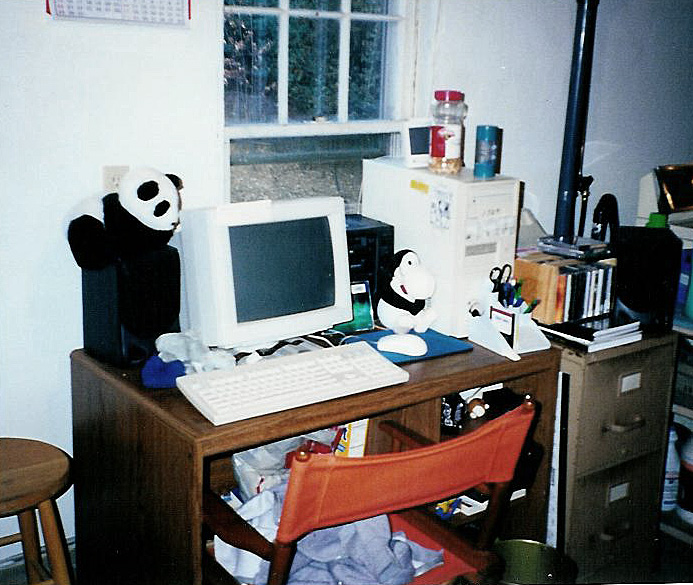
It made more sense to me to finish the novel on the PC, so for the next three weeks I headed downstairs to my basement writing nook every day to work on it. And considering I prefer writing with a soundtrack, the albums I listened to at the time were the ones getting significant repeat play during those sessions. Dishwalla’s And You Think You Know What Life’s About, Hooverphonic’s Blue Wonder Power Milk, Dubstar’s Goodbye, theaudience’s self-titled, Rasputina’s How We Quit the Forest, God Lives Underwater’s Life in the So-Called Space Age. And once the novel was complete, I started on the next round of revisions. With that came repeat listens of Mansun’s Six, Paul McCartney’s Rushes (under the moniker The Fireman), Baxter’s self-titled, Belle & Sebastian’s The Boy with the Arab Strap, UNKLE’s Psyence Fiction.
At the start of 1998, my work at the writing nook was scattershot, maybe two or three times a week. But by the end of that same year, I was down there almost every single night. Not that I completely gave up on longhand just yet, however… I was already planning out a working schedule in which I’d start the sequel to Phoenix in the food court before work while I revised Phoenix in the evening. That first sequel attempt was trunked six months later with another one attempted then stopped soon after, followed by an aborted rewrite of Phoenix. From there the dates do get a little hazy, but I would say that it was most likely the summer of 2000 that I tried one more time on the rewrite, and A Division of Souls was born.
The most important thing of all, though, was that I’d finally solidified a writing practice that I’ve stuck with ever since. I was down there in that basement nearly every single day now, even on the weekends after my road trips or other errands, working on something. There was a brief time of a few months in which it fell to the wayside in September 2000 when I started working second shift at Yankee Candle, but by November I’d switched to the morning shift. From then on until my moving out in March 2005, I’d be down there nearly every night, working on the Bridgetown Trilogy.
And considering the schedule, that also meant that by late autumn of 2000 I was making my weekly runs to Newbury Comics in downtown Amherst, picking up new releases every Wednesday after my comic book run at Hampshire Mall. And nearly all of these albums would get repeated play down there in the basement while I worked on the trilogy. My collection grew exponentially for the next five years because of that, and several of those titles became part of the MU Legacy Soundtrack list.
But yeah, it’s kind of neat to finally confirm that this longstanding writing-and-new-music habit I still have started in September of 1998.
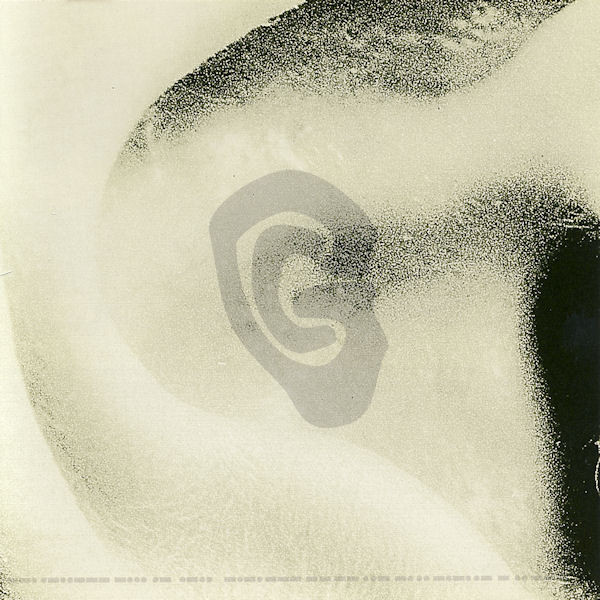
I was introduced to Global Communication in a very roundabout way. While I’m sure I saw the above record in the bins at the HMV I worked at, I never gave it a chance, at least not until late 1997 when I heard a deeply haunting track by Pulusha called “Isolation, Part 1”, found on the not-quite-holiday album Invocation that had intrigued me when it came out in October of 1997. After a bit of reading, I found out that Pulusha was a one-off project featuring Kirsty Hawkshaw — who I knew from Opus III in the early 90s — and Mark Pritchard, who was one half of Global Communication. This album had dropped in July of 1994, but had been so well-regarded that we continually stocked it in our electronic music section three years later.
I’ve listened to and loved all kinds of ambient music over the years — the experimental soundscapes of Brian Eno, the laid back cool of Orbital, the deep echoes of the early years of 4AD — but I’d never heard anything like this before. There are no real titles for the tracks; they are all known by their playing length instead, to avoid influencing what the listener might feel or imagine upon hearing it for the first time.
What caught my attention was the grandfather clock and the gentle rain of the second track, “14:31”.
You of course know that music was a huge influence on my early writing. Inspired by Miami Vice, I took music I loved and wrapped story ideas around them, and the Infamous War Novel was the first longform story I wrote that took those songs and shaped a full storyline around it. But I’d grown out of that style by the early 90s. Music was still there, though playing just a minor ‘soundtrack’ part instead. And a lot of what I was listening to at the time didn’t always fit with what I was writing, so I grew out of that style.
That is, until I listened to the above track in headphones one evening, and my imagination suddenly found itself in a dusty old mansion, sitting in a semi-dark study with cold wood panels, the only light coming from outside the one bay window, partially framed by the canopy of leaves outside, the sky a dirty light gray and the grass of the lawn a deep rich green, matching the dark trees outside. The room was a mix of forgotten papers and books, smelling of must and petrichor.
I don’t think I’d ever had that vivid of a mental image from a song in years.
This was right about the time I started working on The Phoenix Effect as well. This album immediately became part of its soundtrack, played whenever I worked on the more spiritual components of the story. I needed to be in that kind of mental space, that kind of ambient atmosphere, because that’s what it sounded like in my head. Otherworldly, spatial, the sound of moments you never notice until they sneak up on you. A soundtrack that could create not just the mental image of a forgotten part of a house deep in the country, but the loneliness of a spaceship far away from home.
These are but two tracks off a ten-track album that take you on an aural trip without actually telling you where you’re going. It leaves the destination — or just the trip itself — entirely up to your imagination.
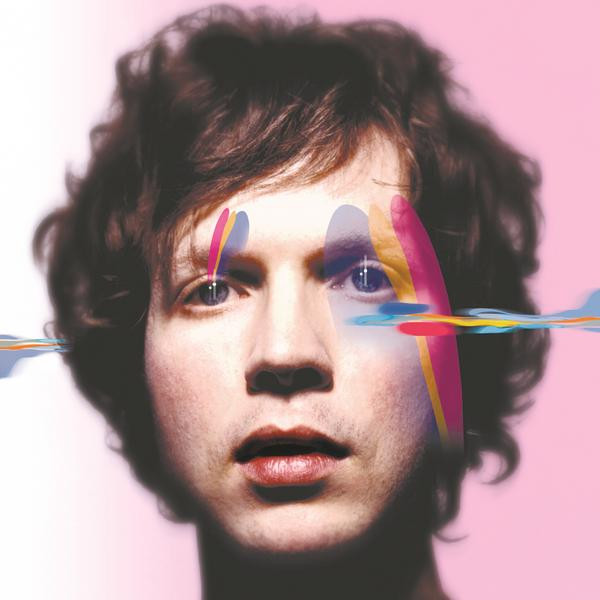
In honor of Beck’s upcoming new record Ride Lonesome which comes out this Friday, I thought I’d do a quick revisit of my favorite album of his, 2002’s Sea Change. It’s aptly named; after the quirky Odelay, the meandering Mutations, and the funky Midnite Vultures, he goes through a bitter breakup, completely changes direction, and comes out with a deeply personal and contemplative record that defies anything he’s done before. It’s my top favorite of all his albums and the one I return to the most. I’ve mentioned several times that it’s also tagged as a Mendaihu Universe Legacy Soundtrack, having been played constantly during the writing of the Bridgetown Trilogy.
He made several music videos for this album even though there were no official singles, and they complement the album’s themes of emotional loss and eventual healing.
He pulls no punches right from the start: the opener “The Golden Age” sets the stage as a night-time drive, perhaps a long dark night of the soul: Put your hands on the wheel, let the golden age begin / The window down, feel the moonlight on your skin / Desert wind cool your aching head / The weight of the world drift away instead. There’s a lot to work through, and it’s not going to be easy.
That pain continues through “Paper Tiger”, a string-laden piece (conducted by his father David Campbell) that feels very much like an old blues track. Here we start hearing more nuances in the album’s production (the always amazing Nigel Godrich), with phased vocals and the use of that slow-build style I love so much.
Eventually he comes around — sort of — with the somber “Guess I’m Doing Fine”, which is obviously not the case but at least he’s trying to find a way through it all. The video has him walking around various parts of Los Angeles, including several scenes in Echo Park, with a ghostly acoustic guitar following his every move. Eventually he befriends a local and they start talking about life. Their conversation is unknown, but the setup underscores the whole point of the song: the only way to get better is to work towards it.
It’s a tough road ahead, working through the anger of “Lonesome Tears” and the self-effacing “Lost Cause” until we hit the exhaustion of “End of the Day”. It all starts building up until it finally spills out with the adversarial “It’s All in Your Mind”, which, interestingly, was originally a lo-fi single released years before (just before Odelay), but it fits in well here.
It’s followed up by the somber and mercurial “Round the Bend” — he’s finally accepted this grief, and starts the healing. It’s followed by “Already Dead’, in which he faces everything that’s left and gone away. What’s left is what needs working on: “Sunday Sun” focuses on acceptance and moving on.
In its own way, the penultimate track “Little One” underscores that acceptance, that what is done is done and you can’t get it back. But like the video, it also focuses on what’s only seen in dreams and hopes: a clearer future of healing. A waking up from the nightmare, exhausted and feeling out of place, yet seeing a clearer path ahead. The album closes with the quiet yet uplifting “Side of the Road”, a reminder of what we’ve gone through and what we might encounter next.
*
Interestingly, I passed on picking this album up for a few months when it dropped back in September of 2002, as I hadn’t been the biggest fan of Midnite Vultures and hadn’t really heard anything from this one. It wasn’t until I happened to hear a few songs during one of my frequent stops at the Newbury Comics in downtown Amherst that it finally clicked, and I was immediately sold. By year’s end I was playing it constantly during my writing sessions. It was a perfect soundtrack that aurally fit the moods and setting of the more somber sequences of the trilogy.
Twelve years and several albums later, Beck revisited this quieter style with the equally brilliant Morning Phase in February of 2014. And his newest, Ride Lonesome, has been described as the third in this series. While Beck has already been seen as a master in writing catchy yet offbeat (and often bizarre) alternative pop singles with quirky lyrics and creative production, with these albums he proves that he can also write deeply personal and heartfelt ballads that work themselves deep into your psyche.
When I think about late 1997 into early 1998, I’m of course reminded that this was when I worked on the longhand rough draft of The Phoenix Effect, but I’m also reminded that this was right about when I started working more often at my writing nook in my parents’ basement. I’d been transcribing off and on when I had a chance (or more to the point, when I felt like it), but by this point I knew that I had a pretty important novel project that kept me excited, and I’d started thinking about how I could up my game.
It didn’t feel right to me to wait until the longhand draft was finished before I began working on the revision. That’s how I’d always worked in the past (other than True Faith, which was direct to PC with an attempted longhand revision later on), but I was starting to feel, I don’t know…impatient? Like I didn’t want my interest to wane? That had happened to me in the past on several aborted writing projects, and I didn’t want this one to suffer the same fate. And that’s why I started transcribing and revising TPE down in the basement while still writing it longhand before my shift. And thanks to an old boombox of my uncle’s, I could listen to the new CDs I was amassing from work while doing so.
The interesting outcome of this was two-fold. One, the revision I was doing altered a few storylines here and there, so the longhand version goes off in odd directions in the latter half. And two, the longhand version stops cold and without a proper ending, mainly because I’d caught up with the transcription and chose to finish the novel on the PC.
Ivy, Apartment Life, released 6 October 1997. It’s hard to say if this was a Fountains of Wayne side project or a parallel one, considering they both started around the same time. Either way, this was the second album by them that caught the attention of critics and a larger fanbase, and its single “The Best Thing” got considerable play on alternative radio.
Big Wreck, In Loving Memory of…, released 7 October 1997. This Canadian-by-way-of-Boston band sprang up out of nowhere with the instantly catchy and bouncy single “The Oaf” which had considerable Alternative chart success. They were a huge favorite on WFNX and WBCN thanks to their local origins, and several album tracks got significant play during the autumn and winter. This got a ton of play at the store, both on the sales floor and in the back room, and it also got a lot of play during my writing sessions as well.
Various Artists, Invocation, released 7 October 1997. I mentioned this one over at Welcome to Bridgetown a short while ago: this is a sort-of holiday compilation that’s actually spiritually themed, and it contains music from several different genres including World, New Age, Orchestral, Electronic, and Vocal. I’d grabbed a promo of this on a whim, half expecting a New Agey dreamscape, only to discover something much deeper and more personal. I found myself listening to it constantly, enough that it ended up being a very important influence on Phoenix. It also introduced me to Pulusha, who I then found out was a side project of Global Communciation, who also became a major influence.
Various Artists, Lounge-a-Palooza, released 7 October 1997. Meanwhile, this odd little mix took the minor wave of lounge music at the time (thanks to an Esquivel and Stereolab) and went in the most typical Gen-X direction: covering unexpected popular songs in that style. You’ll get Ben Folds Five’s goofy take on The Flaming Lips’ “She Don’t Use Jelly”, a nightmarish version of Was (Not Was)’s “Zaz Turned Blue” by Polly Jean Harvey….and Vegas popsters Steve Lawrence and Eydie Gorme doing Soundgarden’s “Black Hole Sun”. A really fun mix worth checking out.
Everclear, So Much for the Afterglow, released 7 October 1997. This album tends to be forgotten in their catalog other than the single “Father of Mine”, but the first single “Everything to Everyone” is an excellent track right up there with their hit “Santa Monica”. I used to hear that one on the way to and from work on the radio and would sing along.
Fantastic Plastic Machine, Fantastic Plastic Machine, released 10 October 1997. I first heard of this one via the above song featured on a CMJ mix cd, and was reminded of the loungey J-Pop I loved from Pizzicato Five. It’s clever album full of fun lightweight groove.
Soundtrack, A Life Less Ordinary, released 14 October 1997. This was an oddball black comedy by Danny Boyle that didn’t do all that well at the box office, but its soundtrack received considerable attention, especially with its lead song by Beck, who was still huge at the time. This one got a lot of play on the sales floor and in the back room as well.
Various Artists, Shaken and Stirred: The David Arnold James Bond Project, released 20 October 1997. This collection was originally created basically because of producer Arnold’s love for the music of John Barry’s 007 work, but Barry was so impressed that he suggested to the Broccoli family that he try out composing for the next in the series, Tomorrow Never Dies. It’s a fascinating collection that remains faithful to the originals yet features them in different styles; Aimee Mann’s take on “Nobody Does It Better” remains one of my top favorite tracks of the year.
Mogwai, Young Team, released 21 October 1997. I believe this is right around the time I’d finally heard what this band was about, even though I wouldn’t be picking anything up from them for a few more years. I remember one of my coworkers really loving the epic “Mogwai Fear Satan” (which would become a calling card of theirs) and would sometimes play it on the sales floor on less busy afternoons.
Recoil, Unsound Methods, released 28 October 1997. Alan Wilder’s ongoing electronic project and his first since leaving Depeche Mode, it’s a much darker affair than his previous work under that name and reveals his desire to create much more experimental sounds than with his former band. It’s an odd listen but there are some really interesting tracks on there.
Roni Size/Reprazent, New Forms, released 28 October 1997 [US version]. I’d had a passing familiarity with the genre of Drum ‘n’ Bass — fast, twitchy, bass-heavy, futuristic, and inherently jazzy — but it wasn’t until I heard the absolutely brilliant single “Brown Paper Bag” that I fell in love with it. It’s an album right up there with DJ Shadow’s Endtroducing in terms of electronic excellence and highly recommended.
*
Coming up: wrapping up the year, and looking forward to the next
Looking back on it, I think that road trip to Ohio was a key moment in my wanting to go out on my own a lot more. By this time I was still heading up to Toadstool Books in Keene on the weekends, but instead of heading back home afterwards I would sometimes expand on it by driving down to Leominster and stopping at the Barnes & Noble afterwards. I was driving into Boston on an almost monthly basis now, visiting my old haunts.
But I was also starting to take longer drives home from work as well. Sometimes I’d stop at that B&N on the way back, or maybe see a movie at the nearby Sony Theatre I used to work at (the multiplex at my mall was still under construction at this time, I believe). I started reminding myself that I had the ability to do this now that I had the paycheck and the transportation.
I’m not sure, but I think it was also around this time that I started taking the long drive to Amherst from my mall in Marlborough — a sixty-mile, ninety-minute trek mostly on Route 9. I’d restarted my comic book collecting, at first catching up on my favorite titles like Cerebus and Strangers in Paradise then discovering more titles that caught my interest, including several manga and indie releases. I probably only went once or twice a month on Wednesdays then, but eventually the trip would become a weekly habit that I’d hold until I left the store in 2000. [I’d continue the Wednesday runs until 2005 of course, though with a much shorter drive from Deerfield.] My family thought it was a peculiar thing to do, but I enjoyed the trip as it gave me time to think about my writing while listening to music or NPR. It was all part of my soaking up new ideas, inspirations and influences.
Joe Jackson & Friends, Heaven & Hell, released 2 September 1997. While Jackson wasn’t as prolific as he once was back in the 80s and early 90s, he used that extra time to conjure up even more eclectic music that never fails to surprise. This, for instance, is a thematic album based on the seven deadly sins, with guest singers like Suzanne Vega, Brad Roberts (from Crash Test Dummies) and Dawn Upshaw voicing them. It’s a peculiar album, but it’s also surprisingly enjoyable.
Travis, Good Feeling, released 8 September 1997. I remember the UK music magazines singing the praises of this Glaswegian band and how they were so different from the rest of the city’s scene by leaning heavy on the songwriting and dynamic sounds. They knocked it out of the park with the single “All I Want to Do Is Rock” (the song that got them signed by Sony). I was an instant fan and have been picking up their work ever since.
Cornershop, When I Was Born for the 7th Time, released 9 September 1997. You couldn’t escape “Brimful of Asha” during the late summer, the song was just everywhere. It’s a simple three-chord riff about famed Indian playback singer Asha Bhosle that gets stuck in your head for days. I remember liking it, getting sick of it, then liking it again after a while!
Forest for the Trees, Forest for the Trees, released 9 September 1997. This was a one-off project of Beck-adjacent musician Carl Stephenson that had a surprise minor favorite with the weird yet groovy “Dream”. I used to listen to this one in the back room of the store quite a bit.
Tanya Donelly, Lovesongs for Underdogs, released 9 September 1997. After the breakup of Belly, Donelly quickly started her solo career with this lovely record that features some of her musical friends like Pixies’ David Lovering and Throwing Muses’ David Narcizo.
Love Spit Love, Trysome Eatone, released 9 September 1997. The second and final album from Richard Butler (while The Psychedelic Furs were on hiatus) feels less cluttered and intense than the self-titled first, so much so that it sometimes feels like this is what the Psych Furs would have sounded like had they kept going. The second single “Fall On Tears” remains one of my top favorite songs of the year, especially with its quiet-progressively-louder format.
Death in Vegas, Dead Elvis, released 16 September 1997. The store was starting to see all kinds of oddball electronic (and semi-electronic) bands coming out of the woodwork by this time, and DiV is one of those where you’re not sure if they’re electronic, goth, punk, or something in between. The crunchy single “Dirt” got a lot of play on WFNX, partly thanks to its rigorous sampling of a famous Woodstock quote.
Stereolab, Dots and Loops, released 22 September 1997. This band continued to play its signature style of music that feels like it’s from another time and place, this time having success with the single “Miss Modular” which got a lot of play on a lot of alternative stations. One of my coworkers really liked this album and used to play it on the floor during his shift.
Dubstar, Goodbye, released 22 September 1997. I absolutely fell in love with the single “Stars” which kicks off the US version of this album. [It was originally on their first UK album from 1995.] Their lovely autumnal Britpop sound deeply appealed to me; it felt relaxing and took me to a different time and place whenever I put it on in the stockroom. It would soon be on frequent repeat at my writing nook soon after, earning its MU Legacy Soundtrack badge. I highly recommend this one!
Various Artists, A Very Special Christmas 3, released 23 September 1997. The start of Q4 always meant the new Christmas albums would be trickling in soon, and this third volume from the Very Special Christmas (the first in five years) was an instant hit, featuring performances by Sting, Smashing Pumpkins, No Doubt (their silly but fun “Oi! to the World” got considerable play on WFNX) and more. My favorite of course was Eleven doing their version of Schubert’s ‘Ave Maria’ with breathtaking vocals by Chris Cornell.
Information Society, Don’t Be Afraid, released 23 September 1997. After a five year hiatus, Kurt Harland was the sole member and rights-holder of the IS name, and chose to take an altogether different route for this fourth album. Fully embracing goth, industrial and darkwave sounds this time out (not to mention themes of paranoia, heartbreak and distrust), it’s a grim record but also a fascinating listen. I played this one a hell of a lot over the next few years, earning its MU Legacy Soundtrack badge.
Bjork, Homogenic, released 23 September 1997. Just when you think Bjork couldn’t get any weirder, she comes out with an album that explores the stranger edges of electronica. It itches, twitches and slides all over the place and keeps you guessing. I wasn’t the biggest fan at first but it grew on me the more I listened to it.
The Sundays, Static & Silence, released 23 September 1997. Their third and last record was completely unexpected, having been written off as an early-90s pop band, and yet they had a hit with the excellent “Summertime” track that still gets a lot of play.
Chumbawamba, Tubthumper, released 23 September 1997. I do love the fact that this band of self-described anarchists (in the full-on contrarian sense) chose to write and release their most pop-influenced record and even embraced their one-hit-wonder status with the “Tubthumping” single, mainly because it gave them an infusion of money to move forward with their otherwise ongoing DIY-ethos style. It’s actually a surprisingly good record with gems like “Amnesia” and “The Good Ship Lifestyle”.
Portishead, Portishead, released 29 September 1997. While Dummy is considered one of trip-hop’s best and most important albums, this follow-up felt like a deliberate move towards the more experimental edges of it. It shifts between feeling like a nightmarish spaghetti western and a disturbing fever dream with only a few quiet moments of calm like the dreamy “Mourning Air”.
The Verve, Urban Hymns, released 29 September 1997. This was an instant hit right from the get-go thanks to the “Bitter Sweet Symphony” single, but the follow up single “Lucky Man” also got considerable play on the local alternative stations, and still does to this day. At this point they’d dropped the dreamlike almost-psychedelic sound of their first two albums and full-on embraced a more guitar-oriented Britpop sound here.
Loreena McKennitt, The Book of Secrets, released 30 September 1997. This Canadian singer seemed like an open secret for the longest time, writing (or arranging) and singing folk with a curious blend of Celtic, New Age and Middle Eastern elements added. She was a big seller for the store in that genre, and this was her major breakthrough. So much so that the track “The Mummers’ Dance” got a major remix by DNA (yes, the same who remixed Suzanne Vega) that enjoyed chart success. This was a perfect soundtrack for The Phoenix Effect, so it too gets an MU Legacy Soundtrack badge.
*
Coming up: The store preps for Q4 with best-ofs, box sets, and soundtracks.
After that long-distance road trip out to Ohio, I came back refreshed (and very sunburnt on my left arm due to my then habit of resting my arm on the open window) and ready to start working on The Phoenix Effect again. While it took me a little bit longer to get into the intended ‘write every day’ goal, the story was resonating with me even more as the days went on. My listening habits in the back room of the record store started evolving at the time, moving away from merely sampling a little of everything to the music that really caught my attention, enough that I felt I could use it as a writing soundtrack. These became the CDs I’d be playing on my little cheapo boombox down in the basement of my house while I started transcribing and revising what I’d written over the last few days. Pretty soon every album I brought home — whether a promo, bought or dubbed — became a potential soundtrack specifically for this project of mine.
311, Transistor, released 5 August 1997. An unexpected double album project for them with a staggering twenty-one tracks, they chose to squeeze it onto one disc to ensure fans could afford it. It is a bit of a beast, but it’s also a slight change-up from their then longstanding style of inserting rap into nearly all their tracks. “Beautiful Disaster” was the big single from this that got considerable play.
Jen Trynin, Gun Shy Trigger Happy, released 12 August 1997. Trynin’s second and final solo album was just as great as her first (1994’s Cockamamie) though it definitely has a more adult and autumnal sound that fit the playlists of the local AOR stations like The River. I loved the moodiness of the single “Getaway (February)” even though it sadly got overlooked by the label.
Mixtape, Songs from the Eden Cycle Vol 2, created mid-August 1997. I had so much fun creating the first mix that I knew I’d have to make more in the series, considering I was getting better and more consistent with my writing by then. But while the first volume holds a little more oomph, this one feels a lot moodier and introspective. There are a lot of songs about interpersonal tension and trying to fight for what you believe in.
Jesus Jones, Already, released 18 August 1997. It took them a surprisingly long four years to follow up from 1993’s Perverse, mainly due to their UK label being unhappy with that album’s underperformance and singer Mike Edwards’ increasing frustration about that. It took a while but after a few false starts they came out with what was a strong if sadly unnoticed record.
Mono, Formica Blues, released 25 August 1997 (UK). The first time I heard “Life in Mono” I was driving home from work when a local AOR station played it, and my mind was blown. It was such a spot-on Serge Gainsbourg riff that I went in the very next shift looking to see if I could order it for the store. It wouldn’t be released for another couple of months in the States (and by that time it had been featured on the Great Expectations soundtrack), but I immediately grabbed the import for myself. The album definitely has that trip-hop vibe but with an unexpected French-pop twist, and it’s one of my favorites from the 90s. It definitely earned its MU Legacy Soundtrack badge.
Stereophonics, Word Gets Around, released 26 August 1997. I don’t remember who introduced me to this Welsh band, but I somehow got a hold of the promo for this and I was hooked. They were British indie with a distinctive folky flavor to it, and I’ve been a fan ever since.
Oasis, Be Here Now, released 26 August 1997. Yeah, this album is definitely as bloated and drug-fueled as all the reviews say it is. The problem was that the Gallaghers wanted to top the brilliant Morning Glory and chose to do that by making everything about the new album BIG. The (admittedly great) first single “D’you Know What I Mean” tops seven minutes and the hippiefest third single “All Around the World” goes past nine. And the production is so crowded with sound (it being the peak of the Loudness Wars, of course) that it feels claustrophobic. Don’t get me wrong, though…it’s a really good album, it’s just a hell of a lot to take in. They’d learn their lesson and rein it in with the follow-ups.
Olive, Extra Virgin, released 26 August 1997. “You’re Not Alone” might be a one-hit wonder, but it’s a hell of a lovely song that shows up on several dance compilations, and the rest of the album is just as strong. This is a great example of that mid-90s/early 00s run of chillwave, electronic music that might sound great on the dance floor, but it’s just as wonderful hanging out at home enjoying the calm. It sold relatively well and we played this album quite a bit on the salesfloor.
Shaï nO Shaï, Human Condition, released 26 August 1997. I hardly know anything about this French band other than that this was their one album. They’re a fascinating listen, as they’re not quite Celtic folk yet not quite experimental indie either. I got this as a promo and I was fascinated by their sound, enough that it got repeat plays in the back room at the store and later during writing sessions. Another MU Legacy Soundtrack.
The Crystal Method, Vegas, released 26 August 1997. This techno band did in fact originate in Las Vegas and this debut was an instant hit with the local alternative stations with its blistering singles “Busy Child” and “Keep Hope Alive”. The original version of “Trip Like I Do” is here, but the US editions also added the version they did with Filter for the Spawn soundtrack that became a favorite that year.
*
Coming up: Q4 brings not just more favorites but more road trips
It had been ages since I actually had a paid vacation and given that I’d be here at HMV for the long term, I was able to accrue enough hours to finally get one! And so it happened that my inaugural vacation would be a roadtrip….to Ohio! My high school friend was living in Columbus with his wife at the time and as we hadn’t seen each other in quite a long time, it was planned that I’d spend the week there. [Side note, the only reason I remember exactly when this trip took place is because it was the same week Contact came out in theaters and I really wanted to go see it.]
It was also the first lengthy road trip I’d be taking with my own car, which excited me to no end. My four-year-old Cavalier still ran pretty good at the time (although I somehow kept forgetting to get oil changes for a while there), and I set about preparing for it. As I did not yet have a tape deck in said car, I’d be bringing my boombox to listen to any cassettes. And it also meant making mixtapes! I’ll be honest, I’d started making the first Songs from the Eden Cycle mix partly for this reason, and my sister made me a driving-themed one that’s mentioned below.
Did I do any writing? Well, actually no. I’m surprised I didn’t, but at the same time I wasn’t anywhere near the write every single day habit I’d eventually reach. This was more a time to soak in the ideas and let them steep in my head for a while so I could come out with something strong and exciting. Instead I would read what I had so far and make a few mental notes of how I could move forward. I did manage to write one scene when I stopped at a hotel in Wilkes-Barre PA on the drive home, and it’s a scene that made it into the rewrite as A Division of Souls, where Nehalé witnesses an attack on a church.
If anything, this weeklong road trip inspired me to go out driving a lot more often in the future. While I wouldn’t do any further long-distance or overnight ones like that (at least not until I went to my first science fiction convention in 2001), it would inspire me to head to my favorite places in Boston and elsewhere with more frequency, and would also inspire my soon-to-be-weekly drive across most of the state for Wednesday comic book runs after work.
The Prodigy, The Fat of the Land, released 1 July 1997. Very much like the Chemical Brothers, this was a long-awaited album after a hugely successful teaser single (in this case, “Firestarter”). It was an instant hit at the store and ended up on the year-end best-of wall. Interestingly I’d known of the band previously as one that played more blissed-out electronica, and this new more punk direction worked perfectly for them. Several of the tracks still get a lot of play on alternative radio these days.
Limp Bizkit, Three Dollar Bill, Yall$, released 1 July 1997. The kings of meathead metal rap rock, they were a band I wanted to hate and yet somehow they managed to surprise me with halfway decent songs every now and again, especially this goofy yet fun cover of George Michael’s hit. This was their first breakthrough, and would get even bigger with their next album.
Mixtape, Trust in My Tires, Faith in My Chrome, created July 1997. My sister provided me with this collection of driving songs across several different genres — alternative, country, folk, classic rock, and so on — and I did give it a few plays during my Ohio road trip. The first track, fittingly, was Pretenders’ “My City Was Gone”.
Primal Scream, Vanishing Point, released 7 July 1997. Just when I thought PM was firmly entrenched in their Stonesy style they’d perfected on their previous record, they went in a completely different direction and recorded what would be the first of three albums that explored the darker edges of their sound. I really liked this one, especially the single “Kowalski”. This one recently got a brand new expanded edition just last week!
Smash Mouth, Fush Yu Mang, released 8 July 1997. I remember the first time I’d heard “Walkin’ On the Sun”: I was on Route 80 through Pennsylvania when a local alternative station played it. It sounded so different from what was being played at the time: both 60s retro and 90s pop-punk, didn’t take itself too seriously yet contained smart lyrics, and had one hell of a great hook. I made a mental note to ensure that my store ordered enough copies of this when I got back to the store, as I knew it would be big. They’d be a favorite of mine ever since.
Sarah McLachlan, Surfacing, released 15 July 1997. While Fumbling Towards Ecstasy had some success with the sublime yet creepy “Possession” and the quietly intense “Hold On”, it was this album that broke her wide open with several singles like “Sweet Surrender”, “Building a Mystery”, “Adia” and “Angel”. She’d come a long way from her quirky early 90s beginnings, that’s for sure. She’d follow this up by hosting the massively successful Lilith Fair festival.
Lauren Christy, Breed, released 22 July 1997. You might know her now as part of the songwriting/production team The Matrix (known for their hits for pop singers like Avril Lavigne, Christina Aguilera, Jason Mraz and more), but she started out as a quirky alt-rock singer, and her second album was a minor favorite thanks to the title track featuring on the Batman & Robin soundtrack. The slower and moodier ‘Reprise’ version of that track would show up on a future Eden Cycle mixtape.
Land of the Loops, Bundle of Joy, released 22 July 1997. This Boston musician was known for his quirky homespun lo-fi electronic music, and the catchy single “Multi-Family Garage Sale” got a lot of play on local radio, partly thanks to the clever use of samples from The Brave Little Toaster but also its use in a Miller Genuine Draft commercial. The album isn’t anything amazing but it’s enjoyable and fun in its own way.
Catherine Wheel, Adam and Eve, released 29 July 1997. Their fourth album tends to be forgotten due to its lack of huge hits, but it’s also their moodiest and most introspective. There’s the slick sounds of “Delicious” but also the lovely “Ma Solituda” that both got a lot of radio play at the time. It’s well worth checking out.
The Dambuilders, Against the Stars, released 29 July 1997. The final album from this Boston band sadly got overlooked partly because of the overwhelming success of Radiohead’s OK Computer, but they were always a fun indie rock band that got a lot of play from WFNX and WBCN. “Burn This Bridge” was a local favorite and quite possibly their most sucessful song.
Soundtrack, Spawn: The Album, released 29 July 1997. This was another movie that could have been great but alas ended up a box office bomb, and yet its soundtrack was a major success. Like 1993’s Judgement Night soundtrack it gathered rock bands and paired them with electronica groups. While some were rather…odd (Moby with Butthole Surfers, Marilyn Manson and Sneaker Pimps), there were also excellent pairings like Filter and The Crystal Method’s “(Can’t You) Trip Like I Do” which got a ton of airplay. It’s definitely a mixed bag like the movie, but it’s worth checking out.
Whiskeytown, Stranger’s Almanac, released 29 July 1997. Despite the band splintering at the seams and singer Ryan Adams being a hot mess both onstage and off, they managed to release a fantastic second album of alt-country goodness full of amazing songs and moods. “Yesterday’s News” was a favorite on WFNX and The River at the time, and my personal favorite was the high-lonesome closer “Not Home Anymore”.
Various Artists, Urbal Beats: The Definitive Guide to Electronic Music, released 29 July 1997. There had been several electronica compilations by this point, but this one was a major success thanks to containing several amazing songs by The Chemical Brothers, Orbital, The Prodigy, The Orb, Portishead, Roni Size, and more. [It also helped that it was released by a major distributor, PolyGram.] Of note was a breathtaking track by Rabbit in the Moon called “Out of Body Experience”, originally a single from 1993 and perfectly reshaping a lengthy Tori Amos sample of “Precious Things” into a torrent of chillwave goodness. [It was renamed the more simple “O.B.E.” here.] This mix sold considerably in our store and became an employee favorite, and it also spawned a sequel in 1998. It eventually became an MU Legacy Soundtrack as well.
*
Coming up: In which almost everything I listen to suddenly becomes a writing soundtrack.
This one’s a little longer than usual because May’s releases were kind of quiet. That said, by this point I was doing pretty well with writing The Phoenix Effect. I wasn’t even close to working daily, let alone getting a significant number of words, but that wasn’t my aim at that point. Some days I’d work on my poems and lyrics instead; other days I’d just sit and listen to cassettes on my Walkman. Some days I’d get a few pages’ worth of longhand words, other days I’d get one paragraph.
This whole exercise was simply to keep at it, with no strict rules yet. It was a story idea that sparked my interest, so it was more important for me to find my footing with it. Who were the main characters, and what were their goals? I think the thing that helped was the creation of Caren and Poe, two characters very loosely inspired by Mulder and Scully from The X-Files, assigned to investigate a major near-catastrophic event at the huge tower in the center of the sprawling city. [That in itself was an idea dating all the way back to the original 1993 Vigil outtakes. Its instigator, now known as Nehalé Usarai, was originally a True Faith character reimagined.] They were brand new characters in a story already three years and several versions old, and they were the focal points I needed in order to make this idea work.
Once I had my footing and perhaps a few chapters down, then I’d try spending a little more time on it than ‘when I could find the time’.
Paul McCartney, Flaming Pie, released 5 May 1997. Paul’s first album since the Beatles’ Anthology project has its obvious inspiration, right down to its title that comes from John Lennon’s fanciful description of the band’s origins in a 1961 issue of Mersey Beat. But it’s also a loving dedication to his wife Linda, who was suffering from breast cancer at the time and would pass away within the year. Several fans felt it was a long overdue return to form after his less popular albums of the late 80s and early 90s, and it’s definitely the first of his albums where he fully embraces his own legacy instead of trying to fight against it. It’s one of my top favorites of his and highly recommended.
Soundtrack, The Fifth Element, released 6 May 1997. I remember this movie coming out and the overwhelming response being what the hell did I just watch? Hardcore Luc Besson fans had expected something serious and high-octane like Leon: The Professional and instead got a weird and darkly comic adventure that really didn’t take itself entirely all that seriously. The trailer also framed it as a deeply serious movie when in fact it’s filled to the brim with absurdist humor. [It’s also noted that the hero and the villain never actually cross paths let alone know about each other throughout the entire film, and that’s quite a feat in itself.] It’s since become a cult favorite to the point where it’s still quoted. The soundtrack is quite a lot of fun as well, composed by Besson’s frequent collaborator Eric Serra.
Foo Fighters, The Colour and the Shape, released 20 May 1997. How do you follow up a debut album that was essentially a solo record yet became a huge hit? By solidifying a full backing band and writing some the strongest and darkest and heaviest songs you’ve got swirling inside you. This is my favorite of the early FF records, as it’s full of tension, anger, and maybe a bit of pain as well.
Soundtrack, Batman & Robin, released 27 May 1997. A lot of people will say that 1995’s Batman Forever is terrible (it is, but in a really good and fun way), but this sequel actually is terrible (it is, in a really not so good and embarrassing way). I understood they were trying to channel the Adam West version with its cartoonish silliness, but it’s just bad and pretty much put me off of future Batman films. The soundtrack itself is another one of those “The Album” releases, where only a handful of tracks actually made it into the film, with the rest being “inspired by” it. Of note, however, is the REM rarity “Revolution” and two blazing tracks from The Smashing Pumpkins that got a significant amount of play on the radio.
Mixtape, Songs from the Eden Cycle, Vol 1, created June 1997. By mid-June I figured it was about time I made an ‘official’ mixtape for my current writing project. Almost all of my other projects to date had one, songs that inspired scenes or set the moods for me, and this was the first of many I’d be making for The Phoenix Effect. At this point I was still calling the project “The Eden Cycle” as I’d had vague plans of it being a multi-book universe. The first track of course had to be Poe’s rerecording of her song “Hello”, but it was also the first (of many) appearances of Failure’s epic closer “Daylight” which, even then, I knew would play during the final scenes of the story. This mix got a ton of play over the course of the next several years, including three more volumes made during my years at HMV. And once I started working on self-publishing the Bridgetown Trilogy, even more volumes would be made.
Days of the New, Days of the New, released 3 June 1997. At first I kind of filed this band away with all the other growly grunge bands like Stone Temple Pilots and Alice in Chains, but there was something about this band that made them different. They were swampy like AIC, bluesy like STP, and maybe even a bit inventive like Soundgarden. “Touch, Peel and Stand” and “Shelf in the Room” got a lot of play on WFNX at the time and gave them a significant following.
The Verve, “Bitter Sweet Symphony” single, released 16 June 1997. Yes, that video and song! This one dropped a good couple of months before what would be both their breakthrough and their break-up album, not to mention their hugest selling hit in which they made pretty much nil due to an uncleared sample. And yet it remains an alternative favorite to this day, a late-90s update on the classic GenX my life is shit theme in post-punk and early alternative rock.
Spiritualized, Ladies and Gentlemen We Are Floating in Space, released 16 June 1997. Yet another video in which the lead singer is doing nothing but walking, this was the band’s third record and an unexpected hit in the States for them. Unlike the hazy rave sounds of their first two records, this was more of an experiment in soundscapes, going from the gorgeous lullaby of the title track to the epic wall of sound with the single “Come Together”.
Radiohead, OK Computer, released 16 June 1997. Meanwhile, this band was on the verge of self-destruction, not quite knowing how to follow up the massively popular The Bends, while at the same time dearly wishing to escape the chokehold of worldwide fame and high expectations. Instead they went inwards, creating a deeply unsettling and uncomfortable record that dealt with exactly that: the feeling of not being unable to detangle yourself from the restrictive ropes you may or may not have placed upon yourself. The trick was to go against all expectations and write from the heart: the twitchy “Airbag”, the bizarre fever dream of “Paranoid Android”, the disgust of “Karma Police”, even the brittle beauty of “Exit Music (for a Film)” (written for Baz Luhrmann’s Romeo & Juliet and following its plot line explicitly), it’s miles away from anything they’d done before and in effect allowed them to follow their own experimental paths thereafter. This one got a ton of play over the next several years and is of course an MU Legacy Soundtrack! [Side note: I only recently learned that the highway cloverleaf you see on the cover is actually the highly confusing I-84/I-91 interchange in Hartford CT, the very same one I’d take the following month on my planned roadtrip, and one I’d pass several times years later on my trips down to New Jersey in 2004.]
Summercamp, Pure Juice, released 17 June 1997. This band often gets forgotten in the avalanche of late 90s emo pop, but this album was one of my favorites. It’s bouncy, exciting and full of catchy songs like “Drawer” and “Should I Walk Away”. This one got a lot of play in the back room at the store and also during my writing sessions.
Mansun, Attack of the Grey Lantern (US Edition), released 24 June 1997. The original UK version of this album dropped earlier in the year (17 February) and its US version had much of its track listing shuffled around, but regardless, this was a band that made me stop and think: what the hell am I listening to? They might be seen as a Britpop band, especially with its UK hit “Wide Open Space” (which itself was a single that dropped back in November 1996), but the track is so unlike anything else that was being played at the time that it just stood out that much more. I remember many of my coworkers really liking the record, enough that it got a significant amount of play on the sales floor at the time. I quickly became a fan and listened to this one quite often.
CJ Bolland, The Analogue Theatre (US edition), released 24 June 1997. The squealy-sexy single “Sugar Is Sweeter”, with its vocals courtesy of Lords of Acid’s Jade4U, was another oddball favorite on the dance floor as well as on WFNX, enough that it showed up on the excellent Urbal Beats compilation (see next entry) and multiple soundtracks.
*
Coming up: On a long road trip to Ohio and writing a defining moment.
There’s something to be said about finally finding your groove. So much stress and anxiety finally recedes into the background where you don’t need to constantly worry that it’ll come back to bite you in the ass when you’re not paying attention. HMV was the first job in ages where I wasn’t jumping ship, getting axed or finding it’s a terrible fit after six months, which meant that I could finally focus on what I wanted to focus on and not worry as much about the bills. It meant that I could allow myself a deeper focus on the writing and a calmer approach to life. Hell, I’d even started assisting in the ordering of stock by then, as my boss trusted me and appreciated my input. It was the first time in years where I didn’t feel like I was scrambling and flailing.
And I think one can see the difference in what I wrote at the time. While still a rough draft, it’s so much better than the work I was doing on my previous now-trunked works. I’d stumbled upon a style that resonated with me and I wanted to see how far I could go with it, and now I had the ability to make that happen.
Our Lady Peace, Clumsy, released 2 April 1997. The Canadian band’s second album was a huge hit in their own country but also a surprise hit here in the States with the two major singles, the snaky “Superman’s Dead” and the ballad “Clumsy”. It was a big seller at my store and even made it to the best-of wall at the end of the year. This one got a lot of play during my writing sessions as well.
The Chemical Brothers, Dig Your Own Hole, released 7 April 1997. It took forever, but when the new album dropped it was HUGE. You heard the new single “Block Rockin’ Beats” everywhere, all the time, to the point that maybe it was a little oversaturated, but it was such an amazing record it surpassed Exit Planet Dust in terms of popularity. The duo seemed to have found their niche, cleverly mixing electronic and analog sounds, and occasionally providing guest vocals, and the fans ate it up. It ended up on several year-end lists and still remains one of their most popular albums.
Sleater-Kinney, Dig Me Out, released 8 April 1997. Their first for the Kill Rock Stars label and the first with drummer Janet Weiss, you can tell that they went all out for this one. Loud, raucous, and full of heartbreak, it was a highly successful release for the college and alternative stations. This was one of my boss’ favorite albums of the year and he’d often play it out on the sales floor.
Depeche Mode, Ultra, released 14 April 1997. After a tumultuous couple of years, the band came back with an album that channeled both their old-school dark-themed style and their newer heavier sound. It’s a perfect fit and the record is one of my all-time favorites of theirs. This is one of the first albums I added to the ‘MU Legacy Soundtrack’ list — albums that I’d frequently come back to throughout my writing of the trilogy and its various versions over the years. It’s still my favorite of the 90s DM albums, even more so than Violator.
Soundtrack, Austin Powers: International Man of Mystery, released 15 April 1997. I went to this movie thinking that it was either going to be really funny or painfully repetitious and unfunny (as SNL skits tend to be for me), but I was pleasantly surprised by its ability to absolutely nail it as a loving pastiche of mid-60s Mod, yet still be absurdly silly at the same time. The end-credits music video of Austin’s band Ming Tea (Mike Myers, Suzanna Hoffs and Matthew Sweet) was a perfect way to cap it all off.
Supergrass, In It for the Money, released 21 April 1997. It took me a while to grow into this album, as I’d only been a passing fan of their debut I Should Coco, but once I did, I was a fan thereafter. I’m pretty sure it was the lovely and Beatlesque “Late in the Day” (and its clever video) that caught my attention in the first place. It has a very autumnal sound, quieter and calmer than their debut and far more adventurous. This was another album that my boss loved and pushed on the sales floor.
Scud Mountain Boys, The Early Year, released 21 April 1997. I knew about this local (Northampton) band from listening to WAMH in the mid 90s, and this was a reissue of their first two albums that dropped in 1995. Their quiet alt-country sound fit in perfectly not only with the indie crowd but seemed to capture the sound of woodsy midwestern Massachusetts as well. Their cover of “Wichita Lineman” is absolutely stunning and is my favorite version of the song. This was another album that got a lot of play in the back room as well as during my writing sessions.
Delerium, Karma, released 22 April 1997. A side project of Rhys Fulber of Front Line Assembly, this band could have been just another Enigma copycat yet somehow broke through on the chillwave circuit with the gloriously lovely “Silence” single with Sarah McLachlan on vocals. The rest of the album is just as wonderful and ended up on my year-end favorites list; it was also another MU Legacy Soundtrack that got a lot of play over the next several years.
Future Bible Heroes, Memories of Love, released 29 April 1997. I remember first hearing the song “Lonely Days” on The River, an Adult Alternative station out of Andover MA, while driving home from work one night and immediately falling in love with its not-quite-retro sound. One of several side projects of Stephin Merritt (he of The Magnetic Fields among other things) and including vocalist Claudia Gonson and ex-Figures On a Beach musician Chris Ewen, Their indie pop sound manages to capture that early 80s synthpop style with oddball self-conscious lyricism (a Merritt hallmark) and catchy melodies. This would get a lot of play as well, and is of course an MU Legacy Soundtrack.
*
Coming Up: In which a new writing project finally gets its own mixtape
I spent most of the next month or so taking my time thinking about how to approach the futuristic sci-fi story idea I’d had in my head for the last couple of years. While True Faith was a step in the right direction, there were two things wrong with it. One, it felt like a swing and a miss; it had its moments but it felt too derivative and weak, like I wasn’t allowing myself to expand on the ideas and push boundaries. And two, now that I was no longer on speaking terms with its co-author, it was probably for the best that I start over from scratch.
So because of this, I had to approach the project from two different directions: I wanted it to be original and 100% from me, and I wanted to force myself out of my old writing styles and crutches and try something utterly new. And it was a single of a re-recorded track that became the spark that started it all.
Depeche Mode, “Barrel of a Gun” single, released 3 February 1997. The last couple of years had not been good for the band, considering they’d lost key member Alan Wilder after their last tour and almost lost lead singer Dave Gahan to drugs. We weren’t quite sure what to expect of the band, especially when they dropped this heavy and unsettling teaser track. And yet it was less a downward spiral and more of a hard road out of hell, a song of redemption that signaled a new sound and style for the band.
Texas, White On Blonde, released 3 February 1997. “Say What You Want” is one of those oh, THAT song! tracks that pops up on the radio now and again and you forget you really like it. This Scottish band dropped a fine single that got a lot of play both on MTV and on AOR stations, and the album was a moderate success for them. Some time later, the song would be re-released as a completely unexpected yet fascinating duet with the Wu-Tang Clan. I remember my boss really liking this album and giving it a lot of play out on the floor.
U2, “Discothéque” single, released 4 February 1997. At this point this band had settled into the well-trodden path of ‘release brilliant album –> put on an amazing live show –> how the hell do they follow this up?’, and this time they put out…a dance song? It took a lot of people by surprise. Instead of getting another rocker like “Zooropa” we got another discofied “Lemon”. [And let’s face it, the Passengers side project was met with headscratching and an ‘okay fine you’ve done your experimental thing, give us another rocker now’.] There were already rumors that the upcoming album was half-baked and incomplete, an utter mess and even more into their own navels than usual. And yet…somehow this became a huge hit despite all that.
Silverchair, Freak Show, released 4 February 1997. After the impressive and popular debut Frogstomp, this trio surprised everyone by coming out with something that was less peppy Pearl Jam and more swampy Alice in Chains. It’s a much darker and grungier album, prefaced by the snotty single “Freak” and followed up with the sludgy “Abuse Me”. I found this abrupt change intriguing enough that this album got quite a bit of play at the time.
The Offspring, Ixnay On the Hombre, released 4 February 1997. It took this punk band almost three years to follow up from the hugely successful Smash album, and when it finally dropped it was a much darker and more polished affair on a major label. It’s not quite as brash as its predecessor, and its songs feel a bit gloomier in comparison, especially the major hit “Gone Away”. It’s not a terrible album, but it’s definitely a step in a different direction that took time to get used to, and one they’d use to considerable success over the next several years.
Blur, Blur, released 10 February 1997. Another band in need of a change, this UK favorite felt like they’d overstayed their quirky ‘Cool Britannia’ moment and needed to adjust course away from Britpop if they wanted to keep going. And in the process, they wrote and recorded a guitar-heavy record that reveals their unexpected angular post-punk side that works perfectly. From the blistering favorite “Song 2” to the Bowie riff “MOR” to the twitchy “On Your Own”, it’s so different from the snarky Parklife and the glossy The Great Escape that its fans were utterly blown away by it. It remains a fan favorite to this day.
Veruca Salt, Eight Arms to Hold You, released 11 February 1997. A few years after their wonderfully poppy American Thighs with its catchy singles “Seether” and “Number One Blind”, they released their second album (its title a nod to the Beatles, of course) along with the equally catchy “Volcano Girls” that got a lot of play on alternative radio.
Poe, “Hello” single, released 11 February 1997. The song itself dates back to her 1995 debut, but it’s this full-band reimagining that contained the venom and power the original sorely lacked, and it became a radio favorite almost immediately. It’s also this version of the track that was the spark I needed to restart my sci-fi novel project. The lyrics are an obvious nod to the literary cyberpunk genre — so much so that it feels like a direct reference to the 1995 movie Johnny Mnemonic — and suddenly I had an idea: what if the soul can be shifted into a different body? Between that and a quick reread of the original Ghost in the Shell manga, I was off and running. And the rest is (a rather long) history.
Soundtrack, Lost Highway, released 18 February 1997. Even though my interest in David Lynch’s work had fallen by the wayside by this point, this soundtrack fascinated me with its heady mix of creepy instrumentals and intense industrial noise. I absolutely loved the Nine Inch Nails single “The Perfect Drug”, but also the Smashing Pumpkins track “Eye” which also got a considerable amount of play on WFNX.
Live, Secret Samadhi, released 18 February 1997. Another band that took its time working on the follow-up to a groundbreaking album, this was yet another one that detoured into a much darker realm. There’s the chunky-riff single “Lakini’s Juice”, the tender ballad “Turn My Head”, the weird “Freaks” and the gritty opener “Rattlesnakes”. It wasn’t as huge a hit as Throwing Copper was, but it did reasonably well.
Sneaker Pimps, Becoming X (US Edition), released 25 February 1997. I’d been waiting on this one since I’d first heard “6 Underground” at the end of last year, and had even talked the boss into ordering a few import copies beforehand, but when it finally landed in the US, it took off like a shot and became a huge favorite of the alternative crowd, especially those who were enamored of that dark and grimy trip-hop sound they’d heard from Tricky and Portishead. It’s a great album, sometimes unsettling and weird but always keeping your interest from start to finish. This also got a lot of repeat play for my writing sessions!
*
Coming Up: In which I finally begin a new writing project that will keep me busy for the next two decades.