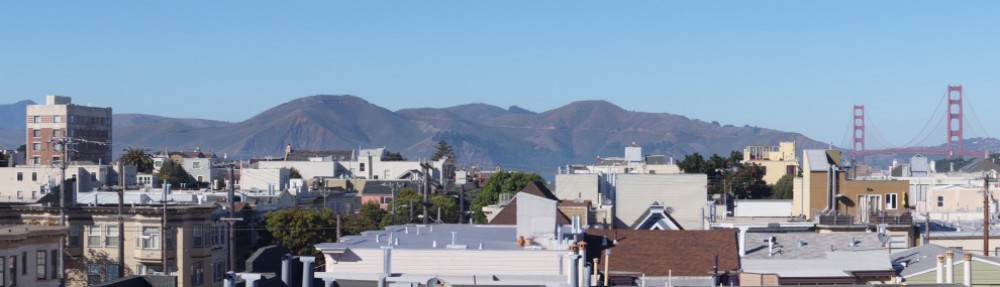
The Boston Years Continued: Slacker Central, Part XVIII

By the time summer arrived, I’d started spending more time with D at her apartment because a) it was air-conditioned whereas the Shoebox was a sweltering hotbox, and b) my day job was right across the street. We were that couple, spending far too much time together mainly because most of our friends were out of town and constantly joined at the hip. We were both broke and spent as little money as possible, sometimes to our own detriment to our health. We had our fun times and our down times. And we talked a lot about this science fiction project that had been dogging me for months now.

And it was here late in the afternoon on the 18th of June that I suddenly had a moment of clarity: I knew how to start that project now! We’d been talking off and on about the various versions of new age religions that fascinated us — whether they were earth-based like Wicca or universe-based like astral souls, I realized that there was a lot to mine here. Not so much with appropriation, mind you, but inspiration to come up with my own version. It was that afternoon that I’d come up with an opening scene: one of my characters appears out of nothingness in her apartment, head spinning dangerously, having just returned from some magical traveling through space and time. And this woman had returned because she knew that something big, something life-changing, was about to take place that affected the world. And it had to do with people of Earth finally reconnecting with alien ancestors.

I knew what I wanted to do with this novel now.

This would be the beginning of True Faith, a novel D and I would co-write over the next two years. Most of the writing would be done by me though she would write certain scenes featuring a certain character, and she’d also become a sounding board for all the new ideas that were bursting forth now. We soon had an idea for an extended universe complete with vague ideas for several related novels.

True Faith was never finished, spanning only seven or eight lengthy chapters, several outtakes and a lot of scribbled notes, but it would set the stage for what would be a complete rethink and revision of this universe two years later when I started The Phoenix Effect. The two novels are not related in any way other than the basic idea of alien contact via spiritual means, but I’d like to think that was where the Mendaihu Universe finally went from its planning stages to actual writing.

*

Stone Temple Pilots, Purple, released 7 June 1994. I’d been a passing STP fan, but after hearing the absolutely amazing “Big Empty” single on the soundtrack for The Crow, I had to check this one out. I bought this one used at Nuggets and it soon became one of my all-time favorite records of the year. I think it’s their best record, full of great songwriting and excellent playing, and several of its songs were radio favorites. This one would get major play during my Belfry years as well.

Velocity Girl, ¡Simpático!, released 14 June 1994. This band from DC would get a lot of play on WFNX, and their lighter take on the grunge scene, leaning more towards indie pop than hard rock, was a favorite for the indie crowds in Boston. I’d hear “Sorry Again” on that station a lot that summer.

Lush, Split, released 14 June 1994. It took me a while to get around to buying this one due to being so broke, but I do remember listening to it down at Strawberries when they’d opened a store on Boylston Street not that far from the library. This one feels a lot gloomier than their previous records, more introspective and dreamlike, and while that may have caused it not to get as much play or attention, it did in fact grab my attention with the slow but gorgeous “Desire Lines” which has become one of my favorite songs of theirs.

Everything But the Girl, Amplified Heart, released 17 June 1994. This was an album that didn’t get too much attention right away, as it was another of their quiet semi-acoustic records with some good but not exciting tracks. That would change a year or so later when Todd Terry remixed “Missing” and gave them a surprisingly huges hit. I’d hear both versions sometime later after I moved back home and worked once more at the local radio station.

Ride, Carnival of Light, released 20 June 1994. Another band I loved but never got around to picking up for years other than 1992’s Going Blank Again, this one contains a great cover of The Creation’s “How Does It Feel to Feel”, making it just as noisy and psychedelic as the original.

Guided By Voices, Bee Thousand, released 21 June 1994. It took me years to finally get around to getting this band’s output, considering Robert Pollard drops new GBV every other month or so, but I do remember hearing “I Am a Scientist” on WFNX and liking it a lot. I also remember this was the breakthrough album that gained them countless new followers.

Various Artists, Kiss My Ass: Classic KISS Regrooved, released 21 June 1994. An odd yet exciting tribute album featuring bands as diverse as Anthrax, Garth Brooks, Toad the Wet Sprocket, Extreme, and The Mighty Mighty Bosstones. The latter band of course getting all the local play on both WFNX and WBCN!

*

Coming up: Terrible band names, musical silliness and a pop album with unexpected longevity.

Thirty Years On: Slacker Central, Part XI

I still had a long way to go to get my act together, but I’d like to think that I might be getting there, mistakes and all. Already I was having to deal with JA’s influence — sometimes positive and helpful but just as often negative and intrusive — and learning how to set boundaries for myself. Meanwhile, my job at the Coop had changed over the course of just a month or so: I’d started out as a checker and floor help, but moved onto what would end up being one of my frequent fall-backs down the line: assistant shipping and receiving clerk. I was up back in the messy and dusty back room checking in the new deliveries and seeing out the old returns, and also doing a bit of cleaning around both levels of the store. I did most of the heavy lifting for the main receiving guy who I got along with but I think he thought I was a bit simple and treated me as such, when in all honesty I think the roles were flipped here. Nice guy, but definitely full of hubris. [I remember he also had a weirdly strong obsession with Tina Turner, partly due to the biopic What’s Love Got to Do with It having come out a few months previous.]

About the same time I struck up a friendship with a woman a few years older than myself who was a holiday temp. We got along like gangbusters and our talks sometimes ended up turning into flirtation and eventually it became a short fling. In retrospect I’m kind of sad that I let it go on the way it did because I definitely was not in the right frame of mind for a relationship. It didn’t last long and felt guilty for a long time about the way I ended it, severing a friendship in the process.

Mind you, I was about to not follow my own damn advice in short order.

O-Positive, Home Sweet Head, released 1 November 1993. This local band was always a favorite for the indie crowd and especially on WFNX. I never got around to seeing them live but I did own a few of their albums including this one with its radio favorite “Hey Dave”.

Fury in the Slaughterhouse, Mono, released 1 November 1993. This German alt-rock band had a minor alt-rock radio hit with “Every Generation” which WFNX played quite a bit. It’s a dismal heartbreaker of a track but it’s one of their best. A band worth checking out.

Cocteau Twins, Four-Calendar Café, 2 November 1993. As I’d said about the “Evangeline” single, the rest of the album had a very wintry feel, light and ethereal as always but with a bit of cold tension added. I listened to this one quite a bit during my writing sessions.

INXS, Full Moon, Dirty Hearts, 2 November 1993. This one didn’t go over well with the fans and critics as they felt it too noisy and abrasive and trying to jump on the grunge bandwagon, but they were already looking to evolve past their tried-and-true rock style. Cheesy video aside, I loved the single “The Gift” and had it as a cassette single, and I used to listen to it on headphones a lot.

Kate Bush, The Red Shoes, 2 November 1993. This album, which would end up being her last for quite a few years, was based on the story of the same name and may have distanced some fans who didn’t quite get it, like myself. It retrospect I think it’s a pretty good album and very similar to her previous records.

Various Artists, No Alternative, released 9 November 1993. I absolutely loved this compilation (it’s part of the Red Hot Organization tribute album collection) and listened to it frequently. Bob Mould’s “Can’t Fight It” is one of my top favorite tracks of ’93 and I even attempted to learn how to play it myself! It’s a wild alternative mix: Matthew Sweet, Goo Goo Dolls, Pavement, Soundgarden, Smashing Pumpkins, Beastie Boys, and a hidden track by Nirvana. Highly recommended.

Various Artists, Stone Free: A Tribute to Jimi Hendrix, released 9 November 1993. I loved this one as well, even though I sometimes skipped some of the tracks. The Cure’s trippy take on “Purple Haze” fits in with their glossy Mixed Up sound, PM Dawn’s “You Got Me Floatin'” is by far the funkiest Hendrix cover I’ve ever heard, and Seal’s “Manic Depression” is powerful. Also highly recommended.

Paul McCartney, Paul Is Live, 15 November 1993. Paul was a busy guy in the early 90s, not only releasing a new and popular album but also making TV appearances as well as embarking on a tour with a great backing band. He leans pretty heavily on his Beatle past here, so much so that he riffs on the famous Abbey Road cover for this one — as well as its connection to the ‘Paul is dead’ myth.

The Fireman (Paul McCartney & Youth), Strawberries Oceans Ships Forest, 15 November 1993. And that’s not all — he even found the time to work with producer Youth to create a fascinating and experimental take on ambient techno music, taking bits and snippets from his Off the Ground album and reconstructing them into something completely new. While it’s not for everyone, it’s definitely worth checking out.

Us3, Hand On the Torch, 16 November 1993. Like Guru and his Jazzmatazz project, this was similar in that it was steeped in Blue Note grooviness and laid over hip-hop beats. This one on the other hand is more upbeat and lively. “Cantaloop” was such a huge and unexpected hit that you still hear it to this day.

David Bowie, The Singles Collection, 16 November 1993. I was never the biggest Bowie fan but I eventually warmed to him via this two-record collection, which I bought mainly because it contained pretty much all of his most famous tracks in one place — thanks to the then-recent wave of Rykodisc reissues finally gathering his back catalogue under one roof. I’d often listen to this one on the way home from the job, taking the T back to Copley Square.

Ace of Base, The Sign, released 23 November 1993. Often slagged off as ‘the next-gen ABBA’ (after all, they were from Sweden and were a two-man, two-woman band that sang bubblegummy pop), they were surprisingly catchy and consistent with their output of stellar pop songs. I’d own their first two albums on cd and would throw them on every now and again just for fun.

*

Coming up: End of the year, end of an era, and the start of…something?

Thirty Years On: Slacker Central, Part X

A few months into my stay at the Shoebox and it became apparent that I was in the same exact situation I’d been in my freshman year in college back in 1989: no flipping idea what I was doing and no mentor or inspiration to set me off in the right direction, with very little money to do it with. A classic Gen-X situation at the time, really. So I did what I’d always done to date: make it up as I go along and see what inspires me and hope for the best.

I believe it was also around this time that I lost the job at DeLuca’s. The only job I’ve ever been fired from, basically because I’d called out one day to play hooky and visit a friend that I hadn’t seen in ages who was in town. My own damn fault, but the manager really was kind of a moody ass with a tendency to take the nuclear option when he got annoyed. Still — that meant I needed to find a new job VERY QUICKLY and found it a week or so later via the Havard Coop — a chain of book and clothes stores tied in with the university with stores around the Boston area. Somewhat better pay and the possibility of benefits after six months, even if the commute was slightly further away.

Meanwhile, I thought I’d try another attempt at the Infamous War Novel, only this time I thought I’d approach it slightly differently: I’d get rid of the aging Red Dawn influence and try writing something a lot colder and more visceral. Not one in the classic pulp style, but with an ironic nihilistic-yet-hopeful Gen-X touch.

It was at this time that I realized that with my movie rentals from Tower Records, I could finally catch up with my interest in Japanese animation that had been so hard to find in the past. There were some really fun selections — early Urusei Yatsura episodes, the Robotech series, The Venus Wars and Silent Mobius (which I’d seen at the Brattle Theater in Harvard Square a few years previous and loved) — and a lot of duds (horror anime is really effed up, yo)…but it was a fun way to expand my interests and influences.

Then I stumbled upon Gall Force: Eternal Story. A feature-length film with a fascinating science fiction plot that intrigued me: it’s not just a human versus alien war story but one about finding a way to coexist. Despite the hate between the races there is hope. Then I realized — there were sequels to this movie! Several, in fact, but Tower only had the second: Gall Force 2: Destruction, which takes place years later with the two races almost near extinction, and yet there too lies hope.

As I sat there at my fold-out table (which was then in front of that one window) listening to music, drinking instant coffee and smoking my Newports, thinking about how much I enjoyed this series, I had a revelation: what if I rewrite the IWN as a science fiction novel? What if I take the characters and plot ideas I had for the IWN and its outtakes and aborted sequel and place them in a futuristic dystopian setting? And what if I expanded it into a multi-story universe? I really liked the idea: a lone rebel group trying to find peace and balance in time of war. I remembered the words of my scriptwriting teacher who thought the IWN idea was crap (well, it was, but he was also an artiste with one minor credit to his name who hated high concept stories)…and thought fuck his opinion, I’m going to go for it.

And so the Mendaihu Universe was born.

Meanwhile, my listening habits didn’t change much at all.

*

The Wonder Stuff, Construction for the Modern Idiot, released 4 October 1993. This would be their last outing for several years as they went their separate ways, but they bowed out with a fun and energetic record with the great “Full of Life (Happy Now)” single.

The Afghan Whigs, Gentlemen, released 5 October 1993. I remember loving how angry and intense the title track was when I first heard it and picked up the cassette soon after. They’d become a fan and critic favorite for years afterwards.

Mazzy Star, So Tonight That I Might See, released 5 October 1993. You could not escape “Fade Into You” once it came out. It was on TV, in movies, and all over the radio. It’s a song I loved, hated, then loved again, though it’s worth checking out the rest of the record for more of their quiet and brooding sound.

Lloyd Cole, Bad Vibes, released 11 October 1993. I remember hearing “So You’d Like to Save the World” at the Coop job — they had these laserdisc-sized music carts they’d play and one of them had quite a quirky setlist including a track from New Fast Automatic Daffodils. He continues to be a great songwriter to this day.

The Lemonheads, Come On Feel the Lemonheads, 12 October 1993. Also ubiquitous on local radio was “Into Your Arms”, which is pretty much their other famous song that still gets radio play. This album isn’t quite as solid as It’s a Shame About Ray but it is their most radio friendly.

Julee Cruise, The Voice of Love, released 12 October 1993. The follow-up to the creepy-yet-beautiful Floating Into the Night, Cruise’s soft chanteuse voice features more David Lynch-adjacent dreampop.

Luscious Jackson, In Search of Manny EP, released 19 October 1993. Their rap/funk/rock hybrid debut release was so out of place with what was getting played on WFNX that they became fan favorites with “Life of Leisure”, “Let Yourself Get Down” and “Daughters of the Kaos”.

Pearl Jam, vs., released 19 October 1993. Their follow-up to the wildly popular Ten was a moody affair but it’s a brilliant record that shows they’ve evolved into a much tighter and more inspired band. This one’s my favorite of their early releases, and “Elderly Woman” is my top favorite track of theirs. I played this one a lot on my commute to the Coop.

Sarah McLachlan, Fumbling Towards Ecstacy, released 22 October 1993. Her first major breakthrough, a few years before “Angel” and “Adia”, was a tense and gorgeous affair about pain and discomfort and trying to find inner peace.

Crash Test Dummies, God Shuffled His Feet, released 26 October 1993. Yes, that song with that bass-baritone voice. And yet it became a huge hit because of its weirdness. The rest of the record is great fun, though, full of offbeat humor and memorable songcraft. It’s definitely worth checking out the rest of the record!

*

And to share one more picture, the first few important parts of the Mendaihu Universe came together here in the stuffy Charles Street Laundromat during this month. [The storefront has since become a high-end clothing boutique.] As I started playing around with this new approach to this writing project, I realized I could no longer let its universe evolve over time like it did in the past; this was going to need some world building, which was a new process to me. With Ray Bradbury’s Zen in the Art of Writing in hand (I felt that going to my personal source for the initial writing inspiration was the way to go) along with a steno notebook, I sat down while I waited for my loads to finish and started creating. It was also the first time where actively worked on my writing away from a desk or my own room, something that would also become a lifelong habit.

*

Next Up: Cold winters, writing soundtracks and a new day job direction

Thirty Years On: Slacker Central, Part IX

Okay, so before we go any further, I have to show you this picture.

[Miraculously, I managed to find a somewhat recent picture of it online. I can confirm this is indeed 213 Beacon St #5C, the same place I lived from September 1993 to August 1994.]

This was the shoebox apartment. Almost the entirety of it. What you see there is 95% of the apartment itself: a single room with a single window and a tiny loft — the photo is taken from the narrow kitchen/entryway that also included the stove, a sink and a fridge, and the super tiny bathroom is around the corner to the left. It really was that small, and it cost $500 a month. I could have looked for cheaper, but that would have meant moving to one of the outer neighborhoods and depending wholly on public transit to get anywhere. By living here I had much better and walkable access to work, entertainment and the few people I knew who still lived in town.

This is where my adult life started. This is also where my writing career started.

My plan was to start at Day One with the writing. I had my spiral bound notebooks and my typewriter, a foldout table, a TV and a hand-me-down VCR, my stereo and boombox, and most of my music collection, and that’s all I needed. I knew I had to start somewhere, so I relied on the reliable: yet another attempt at writing the Infamous War Novel, at this time called Nocturne. This must have been the fourth or fifth iteration, but the first not to explicitly take place in a small town. I also attempted a resurrection of the Two Thousand project I’d started a few years earlier in my sophomore year.

I was broke, I was lonely, I was always hungry, I had a smoking habit (Newport Light menthols at the time), and I was moody as hell, but I was also committed to writing. I wasn’t about to let that go.

I just had to keep going. I learned how to find entertainment cheaply if not freely: T rides up to Harvard Square to hang out and people-watch, walks on the Esplanade and through Back Bay, visits to Waterstones Books to read and chill, visits to Tower Records to see what they had in the listening booths and rent a few movies for a few bucks, and digging for gold in dollar bins at the used record stores.

Mixtapes, Good Grief, More WAUGH!!! Vol 3 and The WAUGH!!! That Wouldn’t Die… Vol 4, created September 1993. These two cheesefest mixes follow up on the “songs I like but don’t have in my collection at the moment” and clearly sourced from the family collections over the years with a few of my own dollar bin purchases thrown in. These were my favorites of this series and got quite a lot of play on my headphones. Noted: the Volume 3 title is a nod to the Charles Schulz Peanuts paperback I owned as a kid.

U2, “Lemon” single, released 1 September 1993. This oddball track from Zooropa got some pretty heavy airplay on WFNX. It’s my least favorite track on the album, but I’ll admit it’s catchy as hell too.

Chapterhouse, Blood Music, released 6 September 1993. I really liked this record, even though it unfortunately didn’t get much airplay anywhere that I knew of, other than hearing “We Are the Beautiful” on WFNX every now and again. It’s a much headier and heavier record than their previous one but it’s just as great. A few years later I’d discover that a UK edition had a remix cd entitled Pentamerous Metamorphosis by a duo called Global Communication added to it, which would become a Belfry writing session mainstay.

Prince, The Hits/The B-Sides, released 10 September 1993. I never had the money to buy this until years later, but it was hard to resist wanting it considering it was the first official ‘best of’ collection for him. For the time being I made do with the cassettes of his I already owned.

Counting Crows, August and Everything After, released 14 September 1993. It was hard to escape “Mr Jones” that autumn, as it was played EVERYWHERE, constantly. I wasn’t the biggest fan of the band and ended up lumping them in with the earthy-crunchy 90s hippie bands for a while, but I eventually grew to enjoy them. I did in fact like the single “Round Here”.

Morphine, Cure for Pain, released 14 September 1993. These local boys always put out fantastic blues rock with their unique bare-bones sound that sounded just that little bit boozy. I picked this one up on cassette and loved it, especially the deep cut “In Spite of Me”.

Dead Can Dance, Into the Labyrinth, released 14 September 1993. This one got some seriously heavy play in the shoebox during my writing sessions. I’d always loved their work, but this record went in a slightly different direction, sneaking out of their chamber music style and veering towards folk music but not without dropping an amazing nightmarish goth staple in “The Ubiquitous Mr Lovegrove” single.

Soundtrack, Judgment Night, released 14 September 1993. I remember seeing this movie with JA but I’ll be damned if I remember any of it other than the heavy-as-fuck soundtrack made up of hard rock/rap duets. Helmet and House of Pain’s “Just Another Victim” got some major play on WFNX that season.

Cocteau Twins, “Evangeline” single, 17 September 1993. Three years later and the trio finally release an absolutely lovely — and yes, autumnal-sounding — single preceding their upcoming new album. I’d hear this one all the time on the radio and it would make it onto one of my next mixtapes as well.

Buffalo Tom, Big Red Letter Day, released 21 September 1993. I loved this local band since first hearing “Birdbrain” a few years previous, and this record proved they weren’t going to stop putting out amazing albums any time soon. I’d hear “Soda Jerk” on the radio all the time, but my favorite track from this album is “I’m Allowed”, which I know I’ve posted here a few times already. Highly recommended.

Curve, Cuckoo, released 21 September 1993. I was so on the fence with this particular record that I ended up not picking it up for a few years, but when I did it became a Belfry staple for a good number of years. While not as tense and dense as Doppelganger (which I loved, especially “Fait Accompli”), this album is just as moody if not more atmospheric. It’s since become my favorite of their catalog.

Nirvana, In Utero, released 21 September 1993. It took me a while to grok this third album of theirs, and it still feels a bit disjointed and desperate, but it also features my favorite Nirvana song “All Apologies” which would pop up on a few of my mixtapes over the years.

Melissa Etheridge, Yes I Am, released 21 September 1993. I remember this album being a huge thing when it dropped because at the time mass media rarely provided us with such a positive message of sexual and gender self-expression. Not to mention that the glorious “Come to My Window” was one of her biggest hits ever.

James, Laid, released 27 September 1993. Yes, that band with that one song of theirs most alternative stations will ever play, and sadly it’s become my least favorite because of that. It’s a great album regardless, especially with a single like “Sometimes”.

Pet Shop Boys, Very, released 27 September 1993. It had been a good couple of years since their last studio album (Behaviour in late 1990), and this was quite a welcome return. They were still slowly moving towards the heady techno sound that would become their style for the next several years, but this one still had the feel of their last couple of albums, creating a nice middle ground.

*

Next up: A chance video rental and a trip to the laundromat changes the course of my future.

Twenty Years On: Songs from the Belfry 2003, Part XI

Not too many releases to speak of at the end of the year (which, y’know, par for the course at the time), which meant I spent most of my writing sessions listening to all the cds I’d accumulated over the past year or so. In retrospect, 2003 was indeed a stellar year for alternative and indie rock, even though it did kind of feel like a year of change…while there were very few mind-blowing albums or songs that sank deep into my psyche at the time, that’s not to say they weren’t bad per se. Just an interesting mix of bands and sounds changing and evolving. And I always think that’s a good thing, even if the sounds didn’t quite resonate with me.

I did spend a lot of the time listening to releases from 2002 as well — in particular, I’d gotten into Beck’s Sea Change a bit later than its release but it soon became one of my top writing session albums (and still is to this day). Coldplay’s A Rush of Blood to the Head was another that I got into quite late. I was very curious to see what the next year would bring.

*

Hooverphonic, Sit Down and Listen to Hooverphonic: The Live Theater Recordings, released 1 December 2003. I actually didn’t get around to acquiring this one for a while, which is surprising considering my love for this band, but I mention it here because all of their previous albums were still on heavy rotation in the Belfry, including most of the tracks found on this one. Still one of my favorite bands!

Various Artists/Soundtrack, Live Forever: The Best of Britpop, released 2 December 2003. If you’re curious about the Britpop movement of the 90s, this is a perfect collection to start off with. While some mixes lean heavily on obscurities or label-related releases, this one was inspired by the documentary Live Forever: The Rise and Fall of Brit Pop, which I highly recommend, and focuses more on several popular groups and bands at the time. This one still gets plays here in Spare Oom!

Mix CD, Re:Defined…The Best of 2003, created 30 December 2003. The second year in which my end-of-year compilation is CD-only — I’d bought a CD drive for my older PC late in 2002 and managed to somehow have enough hard drive space to rip songs from my collection then burn them. This was the first end-of-year mix using my new PC, and I think it shows that I’d gotten the hang of making a disc mix, after having made 45-minutes-a-side mixes for the last twenty or so years! I’m quite happy with how this one came out, actually.

*

So what would 2004 bring…? I’d continued my weekly runs to Newbury Comics and would continue to do so until further notice, and I’d start writing The Balance of Light soon enough — as well as a vampire novel idea that would pop into my head, serving as a secondary project when I’d started having trouble with TBoL. After three-plus years of writing the Bridgetown Trilogy, I was starting to burn out.

And then at some point during the summer, one of my close friends would hold a get-together with several friends from all around, during which I’d meet for the second time a friend of a friend from New Jersey…

Twenty Years On: Songs from the Belfry 2003, Part X

I finished The Persistence of Memories in one marathon session on 11 November, having realized I’d started it exactly one year earlier. That’s not something I normally do, but considering that it had been my first novel to be finished in under one year I wanted to see if I could pull it off. It was Veterans Day and I had the day off from work, and if I’m not mistaken it was an extremely lengthy six-hour session (my longest ever to date, with the occasional break for food and whatnot, as well as a few FreeCell games to keep my eyes from crossing).

Thankfully, clearer heads won the day and I didn’t start Book 3 until early January 2004!

Lamb, Between Darkness and Wonder, released 3 November 2003. This duo’s last album before going on an extended hiatus (and not returning until 2011) is a quiet and somber affair, more about contemplation and comfort than their previous experimentations in electronic pop.

P.O.D., Payable On Death, released 4 November 2003. Their follow-up to their mega-selling Satellite may not have been able to reach the same heights, but it certainly had its share of great alt-metal tunes.

Guided By Voices, The Best of Guided By Voices: Human Amusements at Hourly Rates, released 4 November 2003. I’d known about this band for ages thanks to my HMV years but never got around to picking any of their albums up, primarily because they seem to drop four or five records a year! I figured this was a good place to start. And yes, there were a few “oh, that song!” moments upon first listen.

Explosions in the Sky, The Earth Is Not a Cold Dead Place, released 4 November 2003. Another post-rock band to add to my collection, this one got some considerable play during my writing sessions when I needed background but not necessarily mood.

Loveless, Gift to the World, released 11 November 2003. A Boston group comprised of singer Jen Trynin and members of Expanding Man and Letters to Cleo, their one album is full of crunchy fun indie pop.

Mixtape, Re:Defined 07, created 16 November 2003. This is an interesting one as it’s more of a ‘favorites so far that didn’t make it to previous mixes’ tape than one of new songs. Still, it’s another one of my favorites.

The Beatles, Let It Be…Naked, released 17 November 2003. An interesting compilation that kind of flew under the wire, it’s pretty much all the major songs from the 1970 original minus most of Phil Spector’s, er, mishandling by overproduction. Mostly released for completists like myself, it also contains a twenty-minute bonus track of chat and soundbites from the sessions.

Blink-182, Blink-182, released 18 November 2003. The meathead-punk band of the 90s seems to have chilled out a bit on this record, writing some surprisingly intelligent and straightforward tracks, a few of which have become radio favorites.

Various Artists, Feedback to the Future, released 25 November 2003. A single-disc collection of shoegaze and Britpop I discovered on the pages of CMJ and had Newbury Comics special order for me. This is only a small sampling but it’s a great mix nonetheless. This one got a lot of play in the Belfry.

+/- (Plus Minus), You Are Here, relesased 25 November 2003. The band follows up their fantastic EP with a full record of twitchy indie rock that’s kind of hard to pin down into one style yet worth multiple listens.

*

Next up: End of the year releases and mixtapes!

Twenty Years On: Songs from the Belfry 2003, Part IX

The days at Yankee Candle were already getting busier by October, the sign of Q4 starting with extended hours (aka ‘mandatory overtime’) and larger volume to move. This was the second year with heightened volume thanks to our recent acquisition of Bed Bath & Beyond as a seller. The downside was that YC’s hiring of seasonal help always started a month or so late (they’d come in November when we really needed them earlier), and by then we’d lost one or two members of our team for one reason or another.

And yet at the same time, I was kicking ass writing. I was just about wrapping up The Persistence of Memories and about to start in on Book 3 and I wasn’t about to take any time off in between and lose that momentum. Perhaps that wasn’t the best of ideas in hindsight, but at the time I felt it was better to just keep riding that high while I could.

Mono, One Step More and You Die, released 2 October 2003. This Japanese instrumental post-rock band was a critic favorite from the beginning, and while it took me a bit to warm up to them, I found their music perfect background for writing sessions.

Soundtrack, Lost in Translation, released 3 October 2003. Sofia Coppola’s second movie was a surprise hit and featured quite a few great bands on its quirky and unique soundtrack, including a few rare solo tracks from My Bloody Valentine guitarist Kevin Shields.

Belle and Sebastian, Dear Catastrophe Waitress, released 6 October 2003. These Glaswegians broke out of their bedroom twee sound with this perky and often funny bedsit pop record. The new style fit them really well and they’ve evolved in that direction ever since.

Living Colour, Collideøscope, released 7 October 2003. This band returned for their first record after their 1995 split, and while it’s not as heavy and funky as their previous records, it’s just as topical.

Jet, Get Born, released 7 October 2003. “Are You Gonna Be My Girl” was my favorite track of 2003, containing so much power, swagger and energy that was lacking in so many other songs and records of the day. The entire record is full of fun Stones-y rock with even a few forays into Beatlesque psych pop.

Paul Van Dyk, Reflections, released 7 October 2003. A name I knew for ages as a producer and remixer, his fourth album took him in interesting directions, showing that he wasn’t just knowledgeable in electronic music but in full-band rock.

Death Cab for Cutie, Transatlanticism, released 7 October 2003. Their last album for indie Barsuk Records and a few years before their major-label breakthrough Plans, this album paves the way for their well-loved brand of intelligent, slightly quirky alternative rock, and is considered one of their best.

Laika, Wherever I Am I Am What Is Missing, released 7 October 2003. This may have been their last album, but it doesn’t feel like it; instead it feels like what the band’s sound would have evolved into had they kept going. The twitchy electronics are still there but muted to reveal beautiful melodies just underneath.

Mixtape, Re:Defined 06, created 19 October 2003. This mix in particular got a lot of play in my car as well as its previous volume, containing quite a few of my favorite songs at the time.

The Strokes, Room on Fire, released 28 October 2003. I had a love/hate relationship with this band at the time; I thought their music was interesting and kind of fun, but at the same time I disliked the way Julian Casablancas’ voice always sounded tinny and mixed as if with zero bass whatsoever. I’ve come to appreciate their sounds over the ensuing years.

*

Next up: one novel down, one more to go

Twenty Years On: Songs from the Belfry 2003, Part VIII

September of 2003 was a hell of a fine month for releases, as you can see below. It seems I was in a Loud Music mood, as most of the albums I picked up then certain made a noise. And it definitely made an impact on the scenes I was writing at the time as well, as this was Act 3 of The Persistence of Memories when the stakes were at their highest.

Black Rebel Motorcycle Club, Take Them On, On Your Own, released 2 September 2003. Their follow-up album found them still in that dark and cavernous sound yet still sounding fresh and ready for more.

Soundtrack, Underworld, released 2 September 2003. This might have been yet another ridiculous Goth Vampire Movie With An Alt-Metal Soundtrack (and one with clearly the same color tones as The Matrix universe) but it’s surprisingly enjoyable and well-written. No surprise they made four sequels over the years…

Laibach, WAT, released 8 September 2003. What I love about Laibach is that they can sound and appear so incredibly SERIOUS yet fully embrace the humor lying just underneath. Only they could take what’s essentially a marching rally song and turn it into an infectious dance tune.

Andrew WK, The Wolf, released 9 September 2003. Would the Prince of Party pull off another record full of meathead metal? While this one wasn’t nearly as popular as his previous record, it was still fun and enjoyable.

Starsailor, Silence Is Easy, released 15 September 2003. I was never sure if I liked this band or not as I found some of their songs hauntingly beautiful and others kind of bland, but I’m glad I kept tabs on them over the years. This second album finds them a bit more cheerful than previous.

David Bowie, Reality, released 16 September 2003. Bowie’s last album before taking a well-earned decade off (he’d do a few one-off performances, art shows and recording cameos here and there in the interim) centers on winding down and getting older. There are some intriguing songs — and intriguing covers — on this one, written and recorded to be easily played live.

A Perfect Circle, Thirteenth Step, released 16 September 2003. I always felt this band was a bit like Tool-Lite…an easier project of Maynard James Keenan’s that’s just a bit easier to swallow, and a little less dire. There’s an interesting cover of Failure’s “The Nurse Who Loved Me” that introduced many Tool fans to that band’s Fantastic Planet.

Thursday, War All the Time, released 16 September 2003. I was never much into the Screamo scene, but every now and again a song would capture my interest, such as “Signals Over the Air” which I’d heard on WHMP once or twice.

Muse, Absolution, released 21 September 2003. This band did have a tight following from its first album in 1999, but wasn’t until this third album that they would finally break through in the US and maintain it for a number of years. This one’s got a lot of their best songs on it.

UNKLE, Never, Never, Land, released 22 September 2003. Five years, a few mixes and several singles after their insanely brilliant debut, James Lavelle finally follows up with a much darker and grimmer second record. With the departure of DJ Shadow, the band is less sample-heavy but keeps its chilly atmospheric sound.

Leaves, Breathe, released 23 September 2003. I first heard of this Icelandic indie band through the pages of CMJ, and I wasn’t let down. Very reminiscent of Doves, one of my favorite bands of the 90s-00s, they didn’t quite hit the same heights but they wrote some absolutely lovely songs like “Catch”.

Outkast, Speakerboxxx/The Love Below, released 23 September 2003. I never got around to picking up this album, but you could not escape “Hey Ya!” that summer. You still can’t, as it still shows up on the playlist of several radio stations!

stellastarr*, stellastarr*, released 23 September 2003. An indie band from New York that had the flash of The Killers and the swagger of Suede, they didn’t quite hit the heights they deserved, but they did manage to get a brilliant one-hit-wonder out of the single “My Coco”.

South, With the Tides, released 23 September 2003. Another CMJ find, I didn’t really know much about this band other than that “Same Old Story” was a great tune that also popped up on LaunchCast. I listened to this one a lot during my writing sessions.

The Network, Money Money 2020, released 30 September 2003. Talk about obscure earworms! The guys from Green Day don masks, channel Devo and write some really weird yet catchy tunes like “Joe Robot.” Noted, in 2020 they returned with a new album: Money Money 2020 Pt II: We Told Ya So.

Ben Folds, Sunny 16 EP, released 30 September 2003. Folds’ second EP follows up with more of his signature piano-driven pop songwriting, including the fun “There’s Always Someone Cooler Than You”.

*

Up Next: winding down but not cooling off just yet

Twenty Years On: Songs from the Belfry 2003, Part VII

By August I was most likely hitting the third act of The Persistence of Memories, where a lot of major plot points I’d kept open were finally getting woven together. By this time I’d also been making time to take a few days off from work to attend both Readercon and Boskone, both Boston-area science fiction conventions. (Readercon had just taken place in July, so I must have still been on that buzz of being a part of the SFF community.) At this point I still wasn’t sure how I was going to get my works published, but I wasn’t going to give up the Mendaihu Universe just yet.

BT, Emotional Technology, released 5 August 2003. I’d been a fan of his since his “Blue Skies” single he did with Tori Amos, so by this point I’d been picking up his newest releases as they came out.

Mixtape, Re:Defined 05, created 10 August 2003. This was one of my favorites to listen to during my commutes home from work.

Dishwalla, Live…Greetings from the Flow State, released 12 August 2003. A great live album from a very underrated band, and from the vibe of the audience you can tell they’re having a great time. A really good cross-section of their three albums to date.

Puffy AmiYumi, Nice, US version released 12 August 2003. A few years before their goofy Cartoon Network show, these two cheerful pop-rockers dropped a super fun album that features some great earworms, some of them co-written by ex-Jellyfish leader Andy Sturmer.

Elbow, Cast of Thousands, released 18 August 2003. While Asleep in the Back showed that this band had the songwriting chops and could write equally beautiful and quirky music, this second album took them so much further and became one of my favorite albums of the year. I highly recommend it.

Client, Client, released 18 August 2003. This was Dubstar singer Sarah Blackwood’s project after her original band went on hiatus. It’s an odd but fascinating mix of retro new-wave and chilly synthpop.

Broadcast, Haha Sound, released 18 August 2003. This strange electronic band was hard to pin down, but I always thought of them as a sort of distinctly British version of Stereolab, only with more tension. Their albums are well worth checking out.

Sloan, Action Pact, released 19 August 2003. As always, I will definitely pick up any Sloan album that drops! By this point in their career they’d nailed the jangly pop sound similar to Matthew Sweet, and just as catchy.

The Good North, An Explanation, released 19 August 2003. A fantastic and almost entirely unknown band from the New England/NYC area, I discovered them while doing one of my Newbury Comics runs. They only dropped one album and a few EPs, but they’re all wonderful.

The Raveonettes, Chain Gang of Love, released 25 August 2003. This band’s early work always reminds me of The Jesus & Mary Chain. They had just as much feedback going on, and the melodies underneath all that noise were surprisingly attractive and melodic. They’ve mellowed out a bit since then, but their early albums are great fun.

*

Up next: A lot more noise

Twenty Years On: Songs from the Belfry 2003, Part VI

Amusingly one memory I have of July 2003 is going to the bookstore on the corner of Brattle Street, just off Harvard Square. That would often be one of the last places I’d hit at the end of my Boston day trips. It was a split-level shop with fiction in the extremely crowded basement and nonfiction upstairs. I’d been going to that store since my college days and always found something interesting there. And in this particular warm evening, I found myself browsing the stacks while the store’s speakers softly played Beck’s Sea Change (which by this time had claimed top position as writing session soundtrack). It was one of those perfect moments of mood and music that has stuck with me ever since. And what did I buy there that evening? The 11th Edition of the Merriam-Webster’s Collegiate Dictionary, heh. Which I still have and use frequently, store sticker and all. [Side note: looks like an updated edition came out a few years ago…perhaps I should finally buy it?]

Razed in Black, Damaged, released 1 July 2003. I always enjoyed darkwave but never quite got around to fully involving myself in the style, but this album I liked. “Share This Poison” ended up on a future Re:Defined mix.

Year of the Rabbit, Year of the Rabbit, released 15 July 2003. One of Ken Andrews’ many post-Failure projects after they broke up in the late 90s, this one should have gotten a lot more attention than it did for its excellent songwriting.

Mixtape, Re:Defined 04, created 20 July 2003. The fourth volume in this series got a lot of play in my car that summer between commutes to work and road trips elsewhere. Its cd version even got some play in the Belfry!

311, Evolver, released 22 July 2003. I’ve been a fan since the self-titled 1994 album and I always pick up their albums. They’ve mastered that heavy-yet-fun aspect of funky hard rock and rap and they’re always a refreshing listen. “Creatures (for a While)” is one of my favorites of theirs.

Eve 6, It’s All in Your Head, released 22 July 2003. The third album from this SoCal band didn’t quite impress the label and dropped them soon after because of its experimentation and lack of radio-friendly tunes (aside from the first single “Think Twice”). I kind of like this one though, because it really shows how good they were when they were able to expand their horizons.

Sense Field, Living Outside, released 22 July 2003. It’s a pity this band broke up after this album, because this was such a great one! They kind of reminded me of that 90s alt-rock vibe similar to The Verve Pipe, full of great tunes and songwriting.

Yellowcard, Ocean Avenue, released 22 July 2003. I never actually owned this album, but I remember a few of its singles being everywhere at the time, especially on LaunchCast! All the emo kids loved this record even though the critics didn’t. I wasn’t a big fan of pop-punk at the time but I did enjoy this band.

Ben Folds, Speed Graphic EP, released 22 July 2003. Folds took his time following up his excellent Rockin’ the Suburbs and filled the space with a trio of of EPs over the next year with his signature quirky piano pop. He pulls off a rocking cover of The Cure’s “In Between Days” here.

Jane’s Addiction, Strays, released 22 July 2003. Speaking of bands that took their time…Jane’s finally reunited at the start of the decade (minus bassist Eric Avery) to record their third album and surprised everyone with how slick it sounded. Some fans felt it a bit too slick and missed the sloppy grunge/funk of the first two releases, but it was a fresh sound that worked for the present day. “Just Because” ended up with a lot of airplay on radio, movies and TV.

*

Next up: Summer winds down and music winds up!